Nov. 6 ~ 19 (12 nights, 14 days)
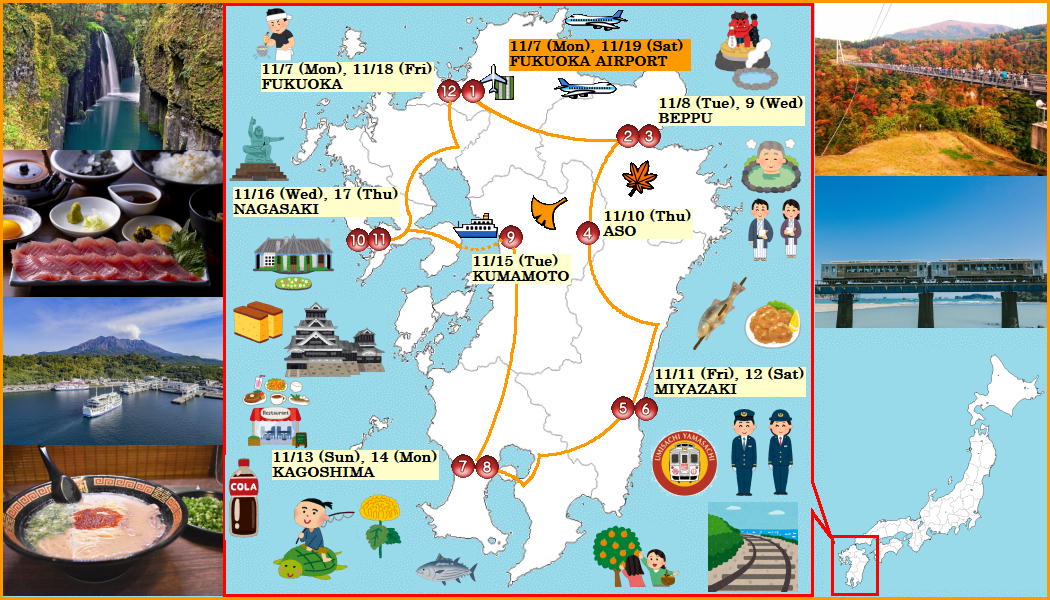
KYUSHU + SIGHTSEEING TRAIN TOUR
Nov. 6 ~ 19 (12 nights, 14 days)

| Travel to Kyushu in autumn. Enjoy the nature, culture, onsen, and food of Kyushu. And there are many sightseeing trains in Kyushu. We will ride several popular sightseeing trains let's enjoy a train journey. On days where dinner is not included, there are many restaurants around the hotel, so please eat your favorite meal. For restaurants outside the hotel if you have $20/person it will be enough. You can eat at a local restaurant or buy a Bento, you have a lot of options. |
| Date | Place
and Hotel
♨=onsen |
Activity | B | L | D |
| Nov. 6 (Sun.) |
|
Depart Honolulu to Fukuoka. |
|
|
|
| 7 (Mon.) |
FUKUOKA HOTEL GRANVIEW |
Arrive at Fukuoka airport, then we go to hotel. |
|
|
|
| 8 (Tue.) |
BEPPU
BAY DAIWA ROYAL HOTEL♨ 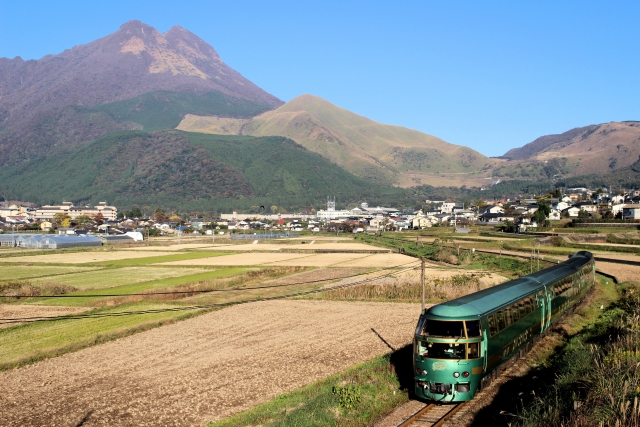 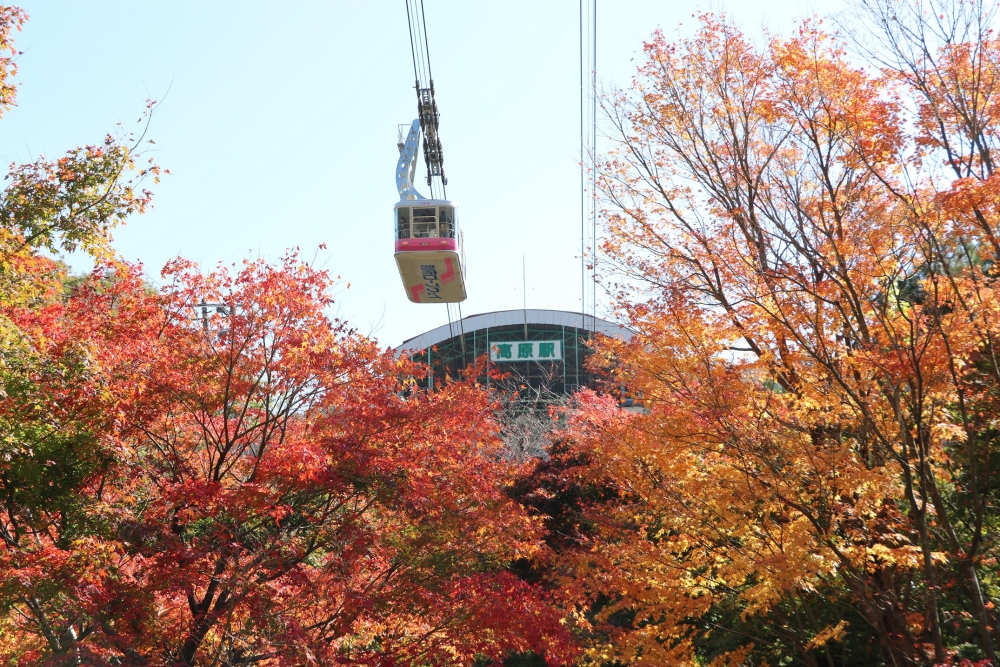
|
From Hakata station ride a JR Kyushu sightseeing train “Yufuin no Mori". Once you step in the train, the warm yet modern wooden interior will make you feel like you are at a resort. Please enjoy Ekiben Yufuin Bento for lunch. (9:24 dep 11:37 arrive.) Then arrive at Yufuin station and we visit Yunotsubo Kaido, the main shopping street. Next go to see Lake Kinrin, known as a mystical lake and autumn leaves are beautiful. Then we ride a car (van or bus) & go to Tsurumidake Ropeway, enjoy the panorama view from the top and see the beautiful scenery and autumn leaves. (One of 31 Japan’s most beautiful places selected by CNN). Then we go to hotel. |
× |
× |
× |
| 9 (Wed.) |
BEPPU
BAY DAIWA ROYAL HOTEL♨ 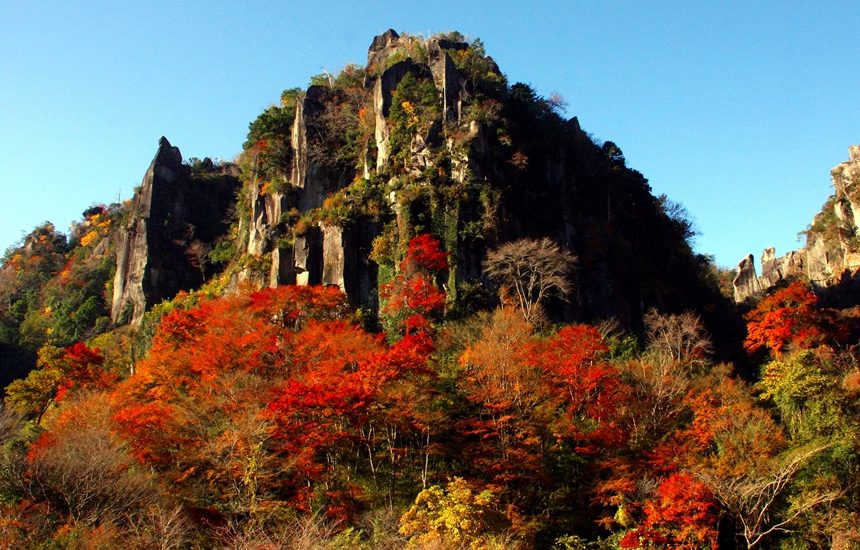 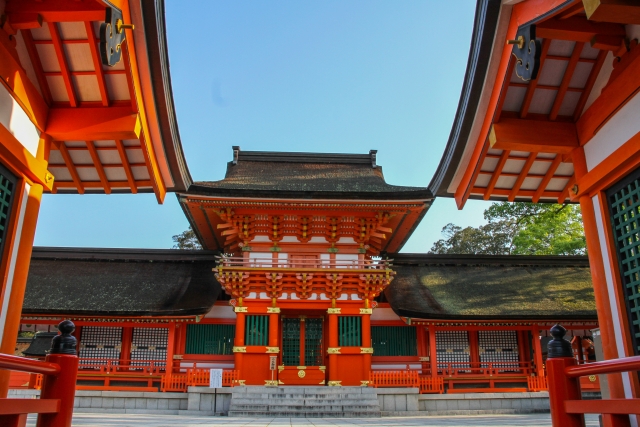 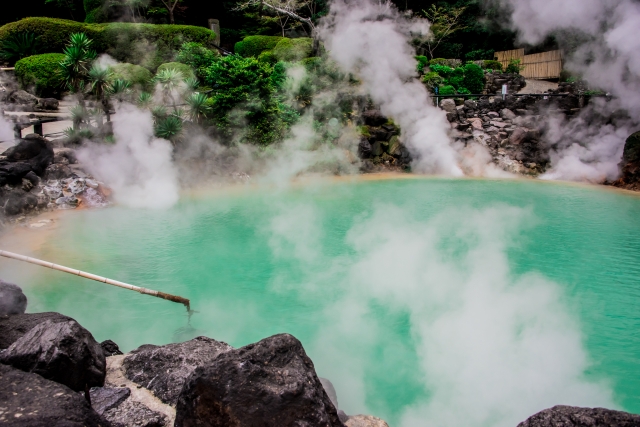
|
We go to Yabakei Gorge. There are 66 spots in Yabakei, but we visit the most beautiful spot, Hitome Hakkei. This spot is called Hitome Hakkei meaning eight types of scenic beauties in one site. Especially you can enjoy breathtaking view of sprouting red autumn foliage in autumn. Next see Keisekien Garden, the garden utilizes more than 30,000 trees to create a replica of the beautiful natural environment of Yabakei. Then we go to Ao-no Domon, a historical landmark. The Buddhist monk, Zenkai excavated a tunnel with only chisel and hammer within 30 years for the safety of travelers. Then we visit Usa Jingu, it is one of the most prestigious shrines in Kyushu with a 1300-year history. The sheer beauty of the shrine compound inspires awe. (One of 31 Japan’s most beautiful places selected by CNN). Lunch is Usa city's famous Japanese fried chicken set meal. Then go back to Beppu city, enjoy Beppu Hell (Jigoku) tour. We'll visit Umi Jigoku, Oniishibozu Jigoku, Oniyama Jigoku, Kamado Jigoku, Chi-no-ike Jigoku, and Tatsumaki Jigoku. Please enjoy the various hells. Then we go back to the same hotel. |
× |
× |
× |
| 10 (Thu.) |
ASO KANPO NO YADO♨ 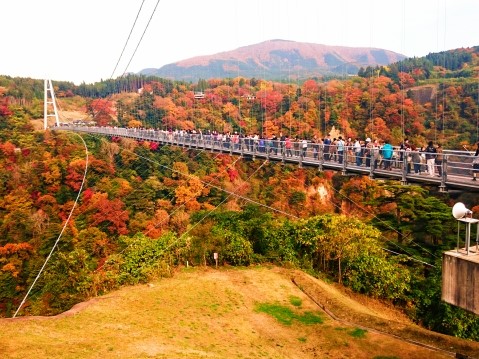 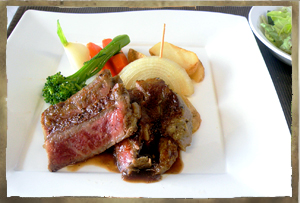 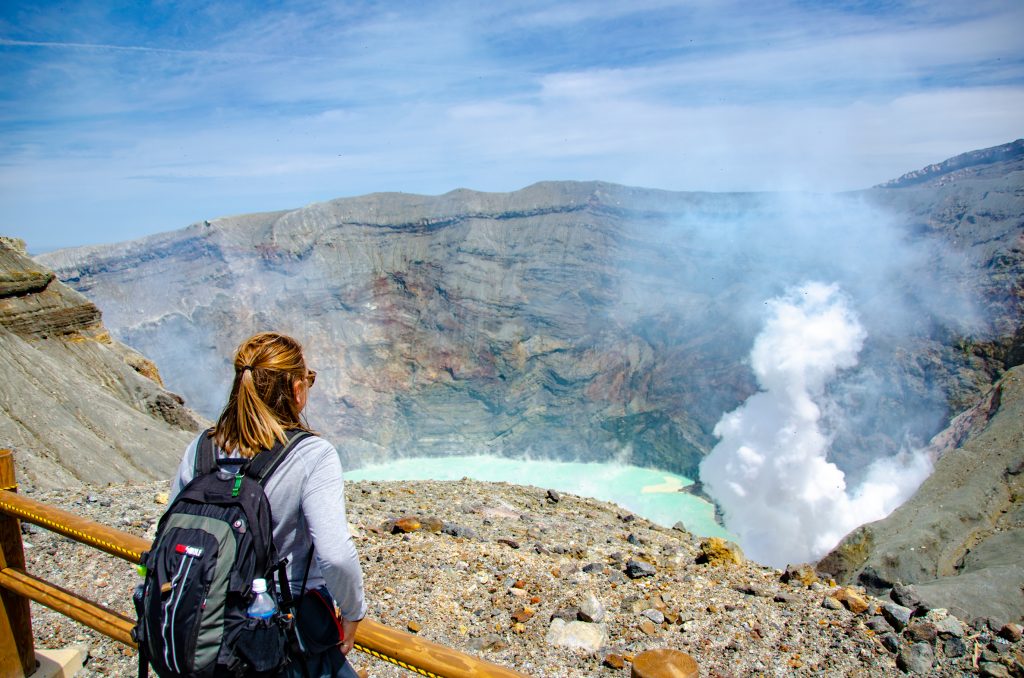
|
Head to Mt. Aso, which has one of the largest calderas in the world. We go to Kokonoe Yume Otsurihashi, right in front of this bridge you can see ‘Shindo-no-taki’ or ‘Medaki’ which are selected as 100 beautiful waterfalls in Japan. Also you can see Kuju-Renzan (mountain ranges) such as Mt. Mimata and Mt. Waita in the distance and enjoy the scenery of the autumn leaves. Then go to Daikanbo view spot, it offers the best 360-degree panoramic view in Aso. Here you can see the Five Peaks of Aso, as well as the Kuju Mountain Range. The Five Peaks of Aso, as seen from Daikanbo are said to resemble a Buddha lying down. Lunch is Kumamoto's specialty Red Beef Steak. After lunch we go to Mt. Aso Nakadake Crater. Mt. Aso is still active and its crater is 1970ft in diameter, 430ft in depth and 2.5mi in circumference. You can see the huge crater emitting white smoke and the magnificent scenery up close. When the level of volcanic activity is high, you may not be able to approach the crater. Next we go to Aso Kusasenri-ga-Hama, a beautiful plain near the summit of Mt. Aso. Then we go to the hotel. | × |
× |
× |
| 11 (Fri.) |
MIYAZAKI JR KYUSHU HOTEL 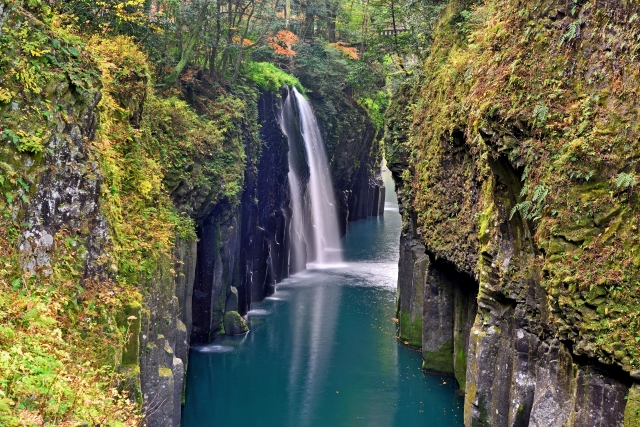 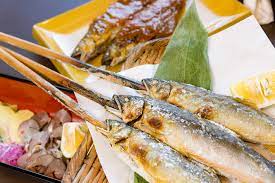 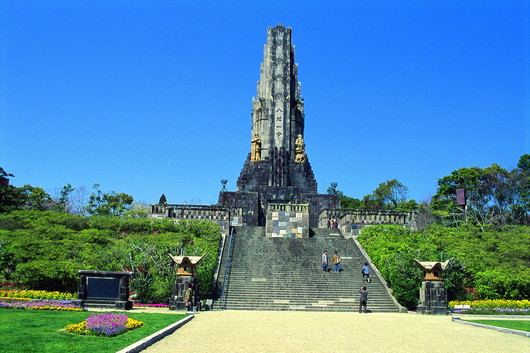
|
From the hotel we visit Takachiho Gorge, a narrow chasm cut through the rock by the Gokase river with nearly sheer cliffs forming columns, it is a nature preserved beautiful scenery. Rental boats are available at the south end of the gorge, if you want you can row a boat. Then go to see Ayu-Yana in Nobeoka city. From October to December, Nobeoka conducts the traditional fishing practice known as Ayu-Yana. To catch the Ayu (sweetfish) which are swimming downstream to spawn, the path of the river is funneled to pass over a weir. Built below the weir is a slatted bamboo platform called “otesu.” The Ayu falls over the weir and is trapped on the otesu. Lunch is Ayu cuisine. Fresh Ayu is excellent! After lunch we visit Miyazaki Peace Park (Heiwadai Park). Heiwadai Park was built in 1940 to celebrate the 2600th anniversary of the ascension of Emperor Jimmu (the mythical first emperor of Japan). Inside the park stands the Peace Tower constructed of stones sent from all around Asia and one of Miyazaki's most recognizable landmarks. Then go to hotel in Miyazaki. | × |
× |
|
| 12 (Sat.) |
MIYAZAKI JR KYUSHU HOTEL 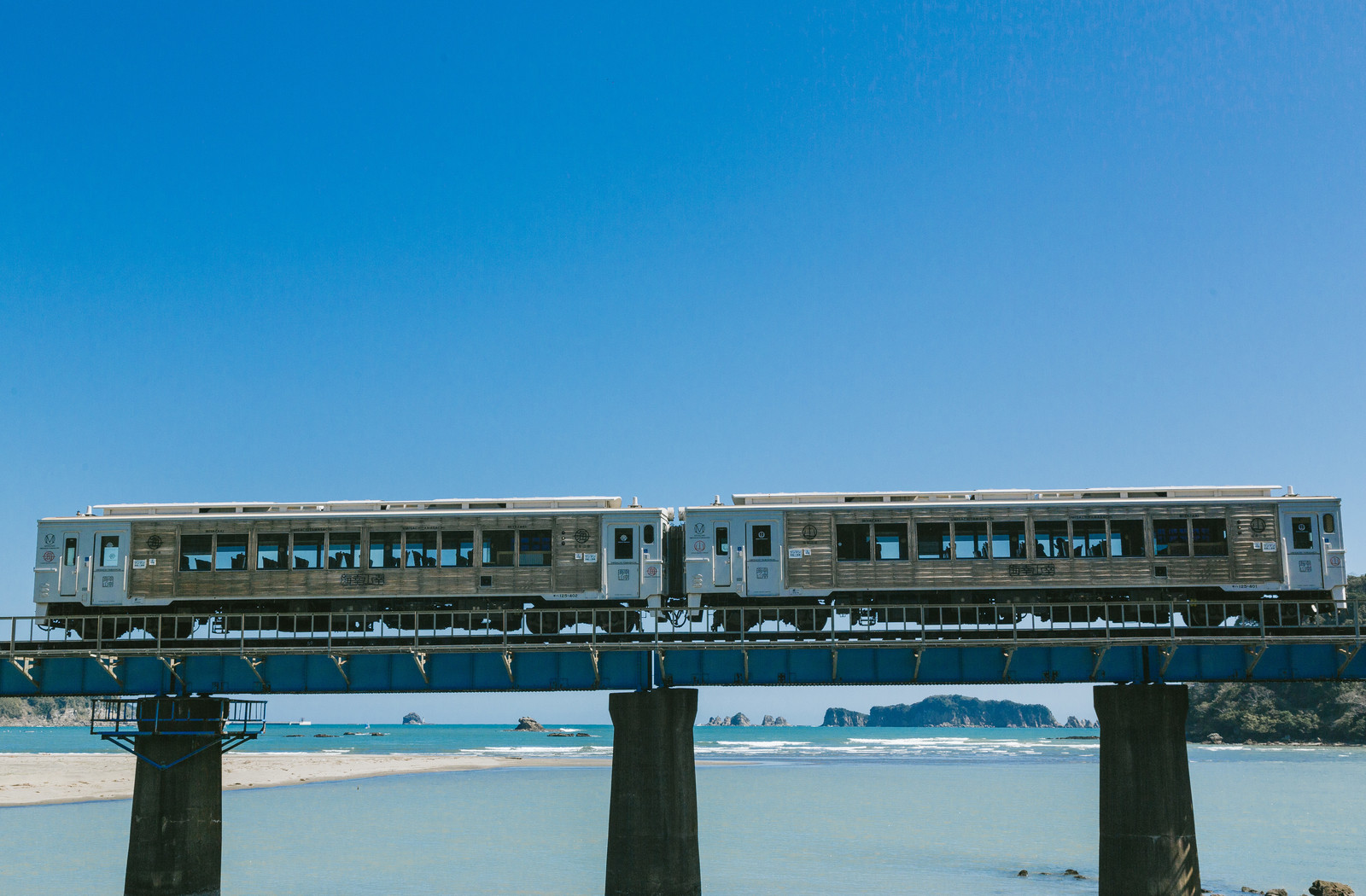 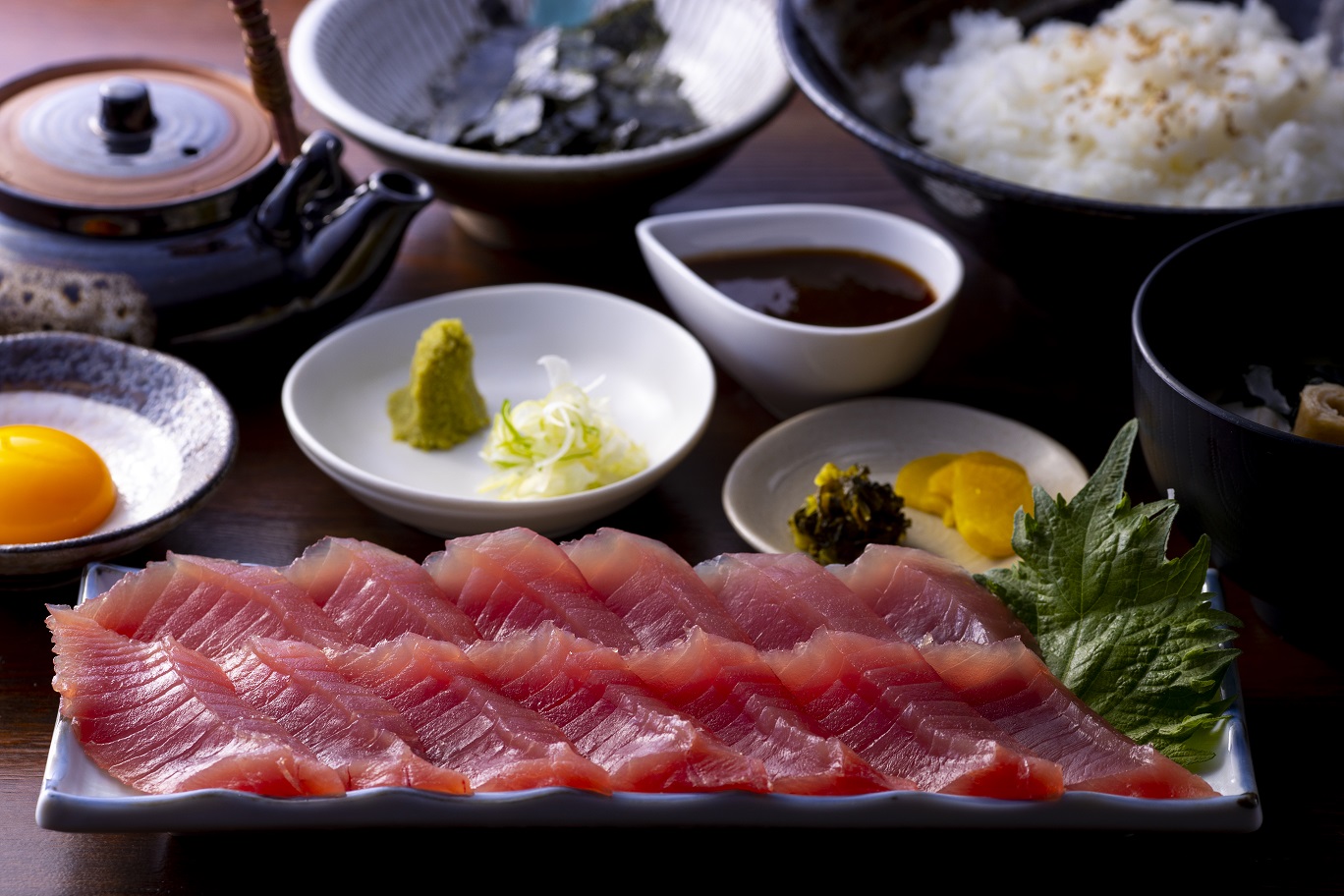 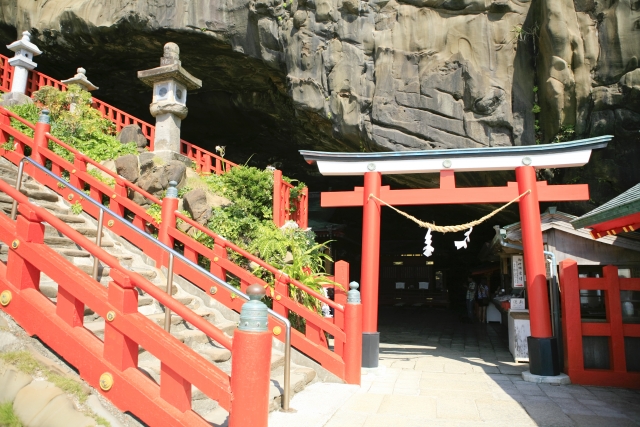
|
From Miyazaki station ride a sightseeing train “Umisachi-Yamasachi" and go to Obi station. You can enjoy the view of the sea and mountains, enjoy an hour sightseeing train journey. After arriving at Obi station we go sightseeing by car (van or bus) & we visit Obi castle ruins. The castle and its surrounding territory is also designated as one of Japan’s Preservation Districts for Groups of Historic Buildings. Lunch is Tuna Donburi at the restaurant of samurai residence. After lunch we play Shihan Mato, it is a Japanese style of archery using a short bow, with the archer shooting from a sitting position. Even beginners can easily enjoy it. Then we go to Udo shrine. The shrine located on the Nichinan Coast is dedicated to Yamasachihiko, the father of Emperor Jimmu. This brightly painted shrine is set in a cave on the side of a cliff overlooking the ocean and so enjoy a spectacular view. Next we visit Aoshima Island. The shallow water around the island has a geological phenomenon known as Oni no Sentakuita, or devil's washboard. Visible at low tide, these perfectly straight rows of basalt rock look as if they must be the remnants of something manmade. Then go back to the same hotel. |
× |
× |
|
| 13 (Sun) |
KAGOSHIMA URBIC HOTEL 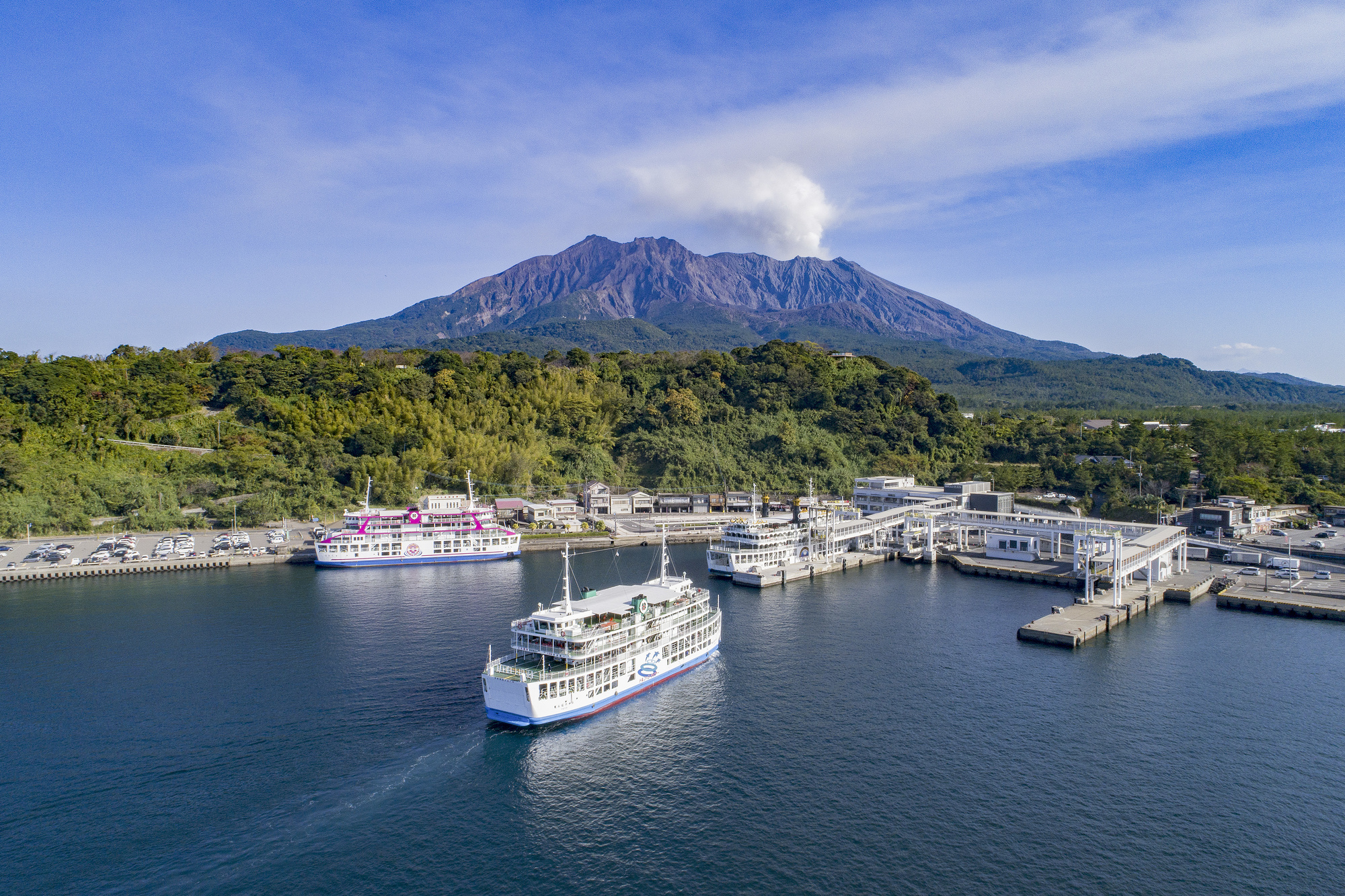 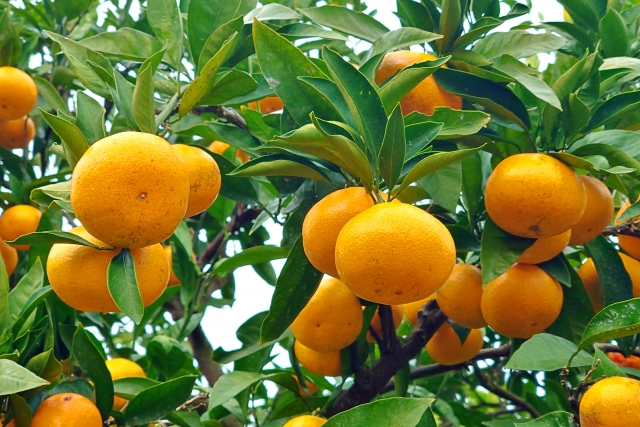 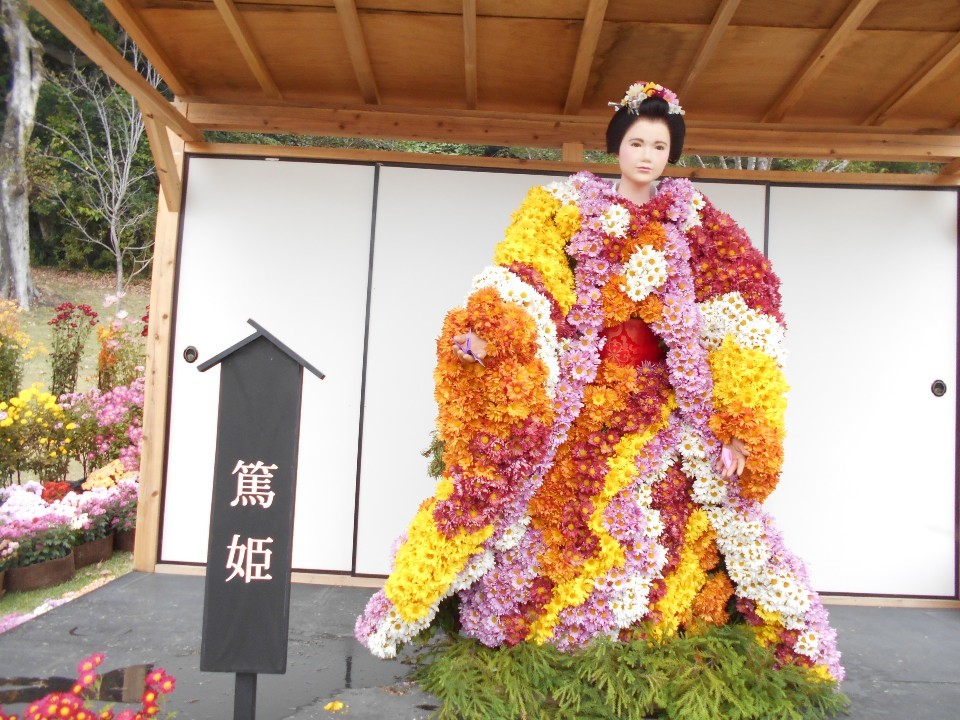 |
From the hotel we visit Kurozu (black vinegar) farm & shop in Fukuyama town in Kagoshima. We can learn how to make black vinegar and we can taste it. Next we go to Sakurajima Island, one of Japan's most active volcano and the symbol of Kagoshima. We visit the Kurokami Maibotsu Torii (Buried Shrine Gate), it was buried with lava after a major eruption in 1914. Next let’s enjoy Tangerine picking. Then go to Yunohira Observatory, the highest point on Mt. Sakurajima open to the general public. From the observatory you can see a rough lava field, and at times, rising plumes of volcanic smoke. Then we take the ferry & go to Kagoshima city on the main land. Then we visit Chrysanthemum festival in Sengan-en Garden. The garden Japanese style landscape garden to the former Shimazu clan, it was a villa of the Shimazu family (the Kagoshima lord) and see the Goten (palace). (One of 31 Japan’s most beautiful places selected by CNN). Then we go to the hotel. |
× |
× |
|
| 14 (Mon.) |
KAGOSHIMA URBIC HOTEL 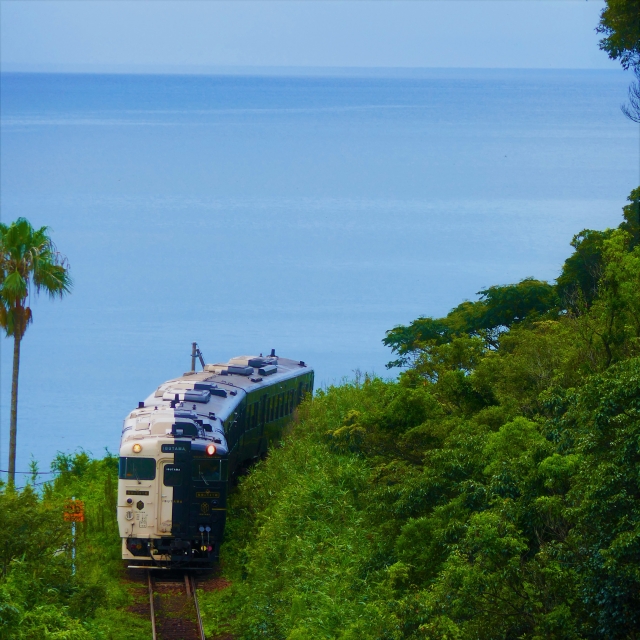 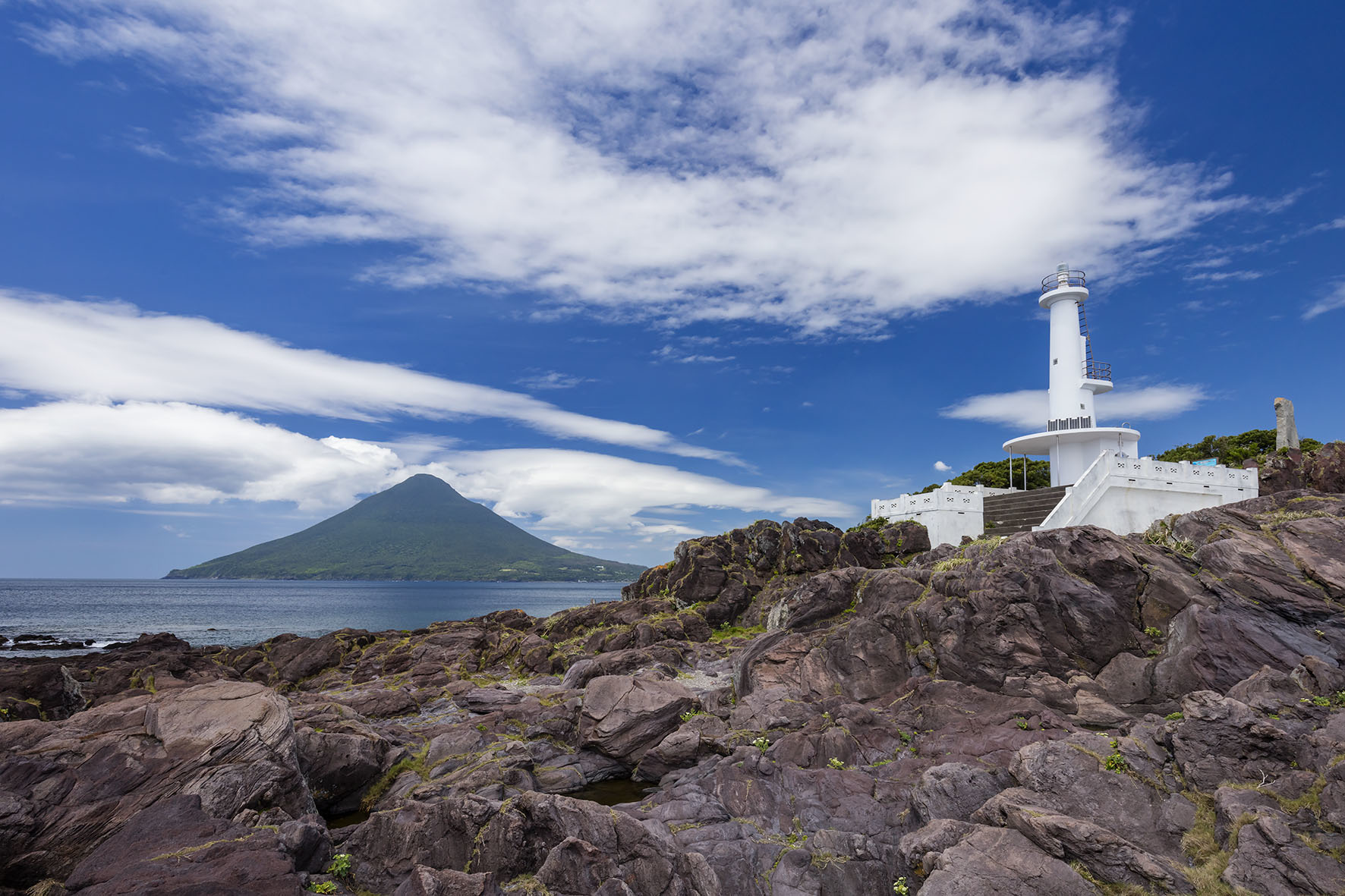 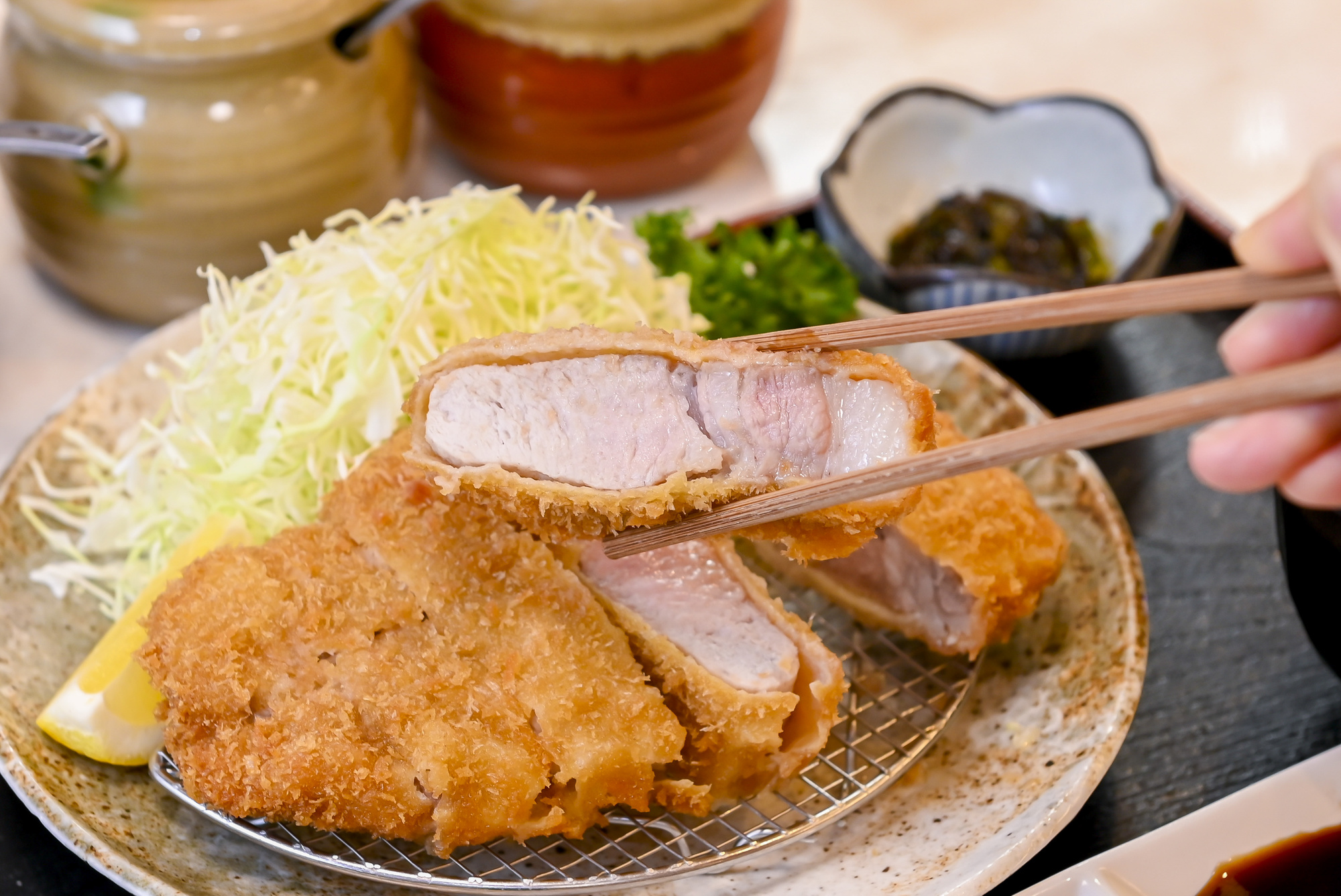 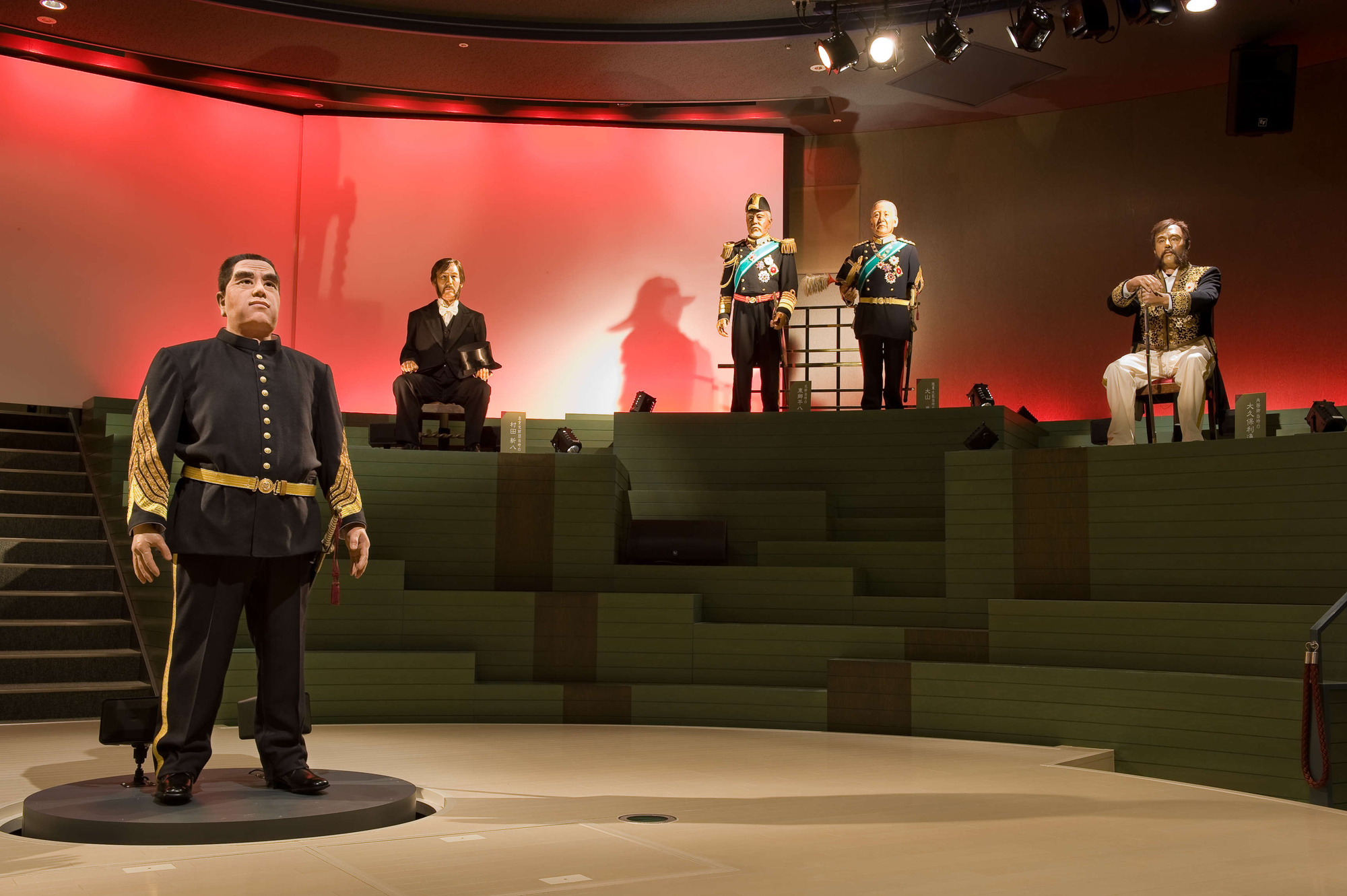
|
From Kagoshima Chuo station ride a sightseeing train “Tamatebako" & go to Ibusuki station. It is a sightseeing train with the concept of the folk story Urashima Taro, enjoy an hour sightseeing train journey. After arrive at Ibusuki station go sightseeing by car (van or bus). Go to Ryugu Shrine, located at Nagasaki-bana on the southernmost point of Satsuma peninsula. The shrine is said to be the birthplace of Urashima Taro, a man who was said to have saved a turtle which then brought him to the undersea palace. Then we go to Makurazaki city where bonito is famous. We visit The Makurazaki Fish Center. In addition to fresh seafood, there is also a robust selection of products made with bonito, a Makurazaki specialty. You can experience Katsuobushi (Dried Bonito) shaving and taste the fresh Katsuobushi soup. Next a visit to Satsuma Shuzo Shochu Distillery "Meijigura". We can see the production process, and shochu made at the Meijigura is available for free tasting. Lunch is Kagoshima's specialty Tonkatsu. After lunch we visit Ishin Furusato-kan (Museum of the Meiji Restoration), a history museum where visitors can learn about the Meiji Restoration. Sound, light and robots are used to present a three-dimensional experience of the Meiji Restoration. Then we go back to the same hotel. | × |
× |
|
| 15 (Tue.) |
KUMAMOTO MIELPARQUE 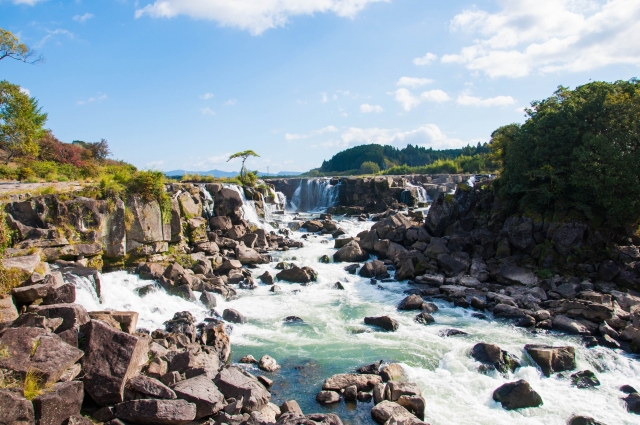 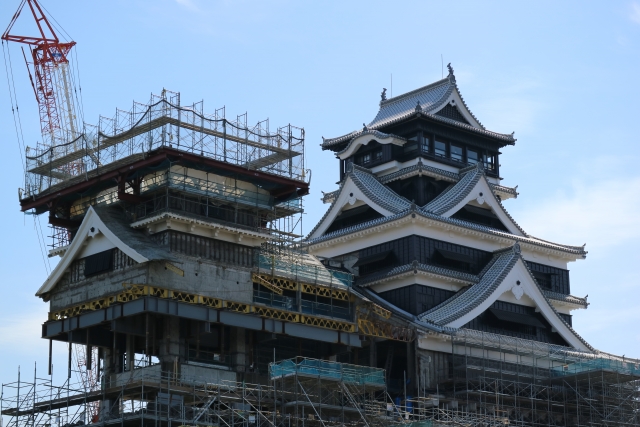
|
From the hotel we go to see the Sogi-no-Taki waterfalls, is called the "Oriental's Niagara". It is well-known for scenic beauty and the autumn leaves. Then we visit the Coca- Cola factory of Ebino. We can see the factory and the Coca-Cola collection gallery. Next we visit Suizenji Garden, a spacious 17th century Japanese-style garden landscaped around a natural spring pond. Then go to see Kumamoto castle, after receiving heavy damage after the 2016 earthquake, most of the exterior on the main tower is about completed. Also visit Josaien, a tourist facility designed to enhance the appeal of the old castle town & to convey visitors the history, food, and cultural traditions of the region from Kumamoto castle. Then go to hotel. |
× |
× |
|
| 16 (Wed.) |
NAGASAKI HOTEL NEW NAGASAKI 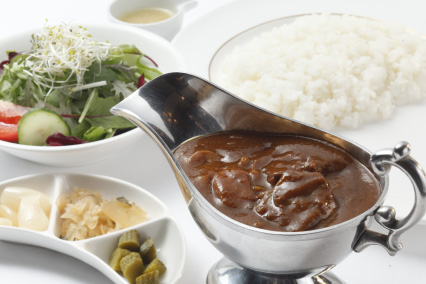  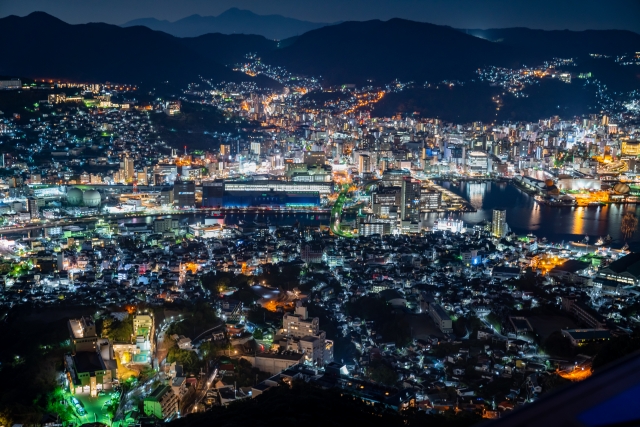 |
We go to Kumamoto port to ride ferry to Shimabara Port. We can see the seaweed farm from the ferry and enjoy an hour's voyage. After arrive port we go to Memorial Park of Houses Destroyed by Debris Flow. This memorial park is located inside Mizunashi Honjin Fukae Roadside Station, and it exhibits 11 houses (preserved in its original condition) buried by the debris flow from the volcanic eruption of Mt. Unzen in 1992. Then we visit a classic style hotel Unzen Kanko Hotel which represents Kyushu. Lunch is traditional beef curry of which recipe has been passed down from hotel’s beginning. Enjoy a fine curry and a meal in the historic dining room. After lunch we visit Nagasaki Castella Land, see the castella factory and the stores. Then go to the hotel. In the evening ride a ropeway to go to Inasayama and see the night views of Nagasaki, the new one of three major night views of Japan. |
× |
× |
|
| 17 (Thu.) |
NAGASAKI HOTEL NEW NAGASAKI 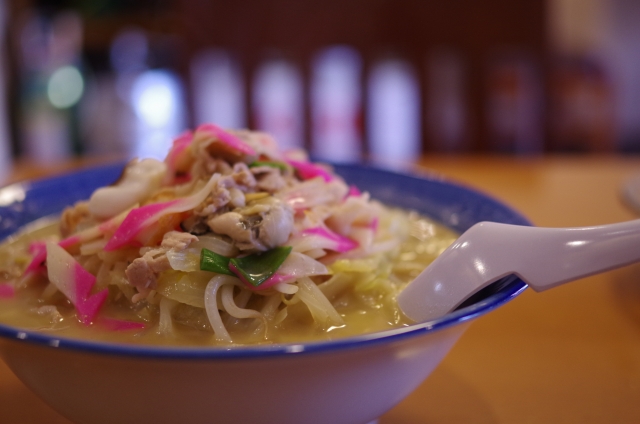 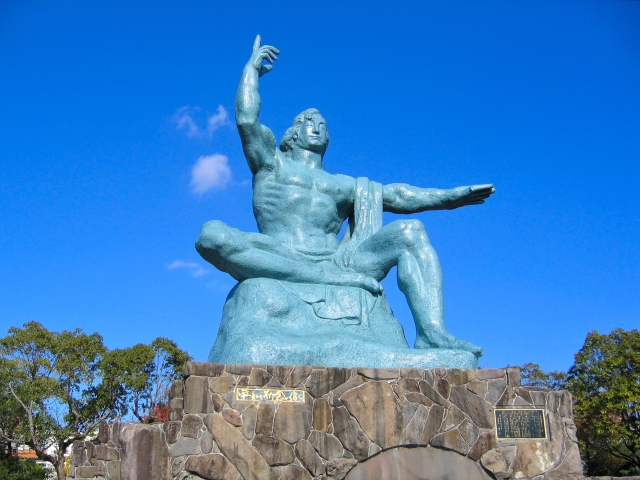
|
Sightseeing within Nagasaki city. We catch a ferry and go to Gunkanjima, a small island of 0.68 sq.ft. From around 1890 the island flourished with coal. There were 5200 people living back then, but now it is a uninhabited world heritage site island. If the waves are not high you can land. Lunch is Nagasaki's specialty Champon. Next visit Dejima, a man-made island and was a Dutch trading post a couple hundred years ago. The area is now been restored and includes historical buildings, a museum and a miniature model of the former island. Then visit Glover Residence, the oldest western-style house. Next visit Nagasaki Peace Park, commemorating the atomic bombing of the city on Aug.9, 1945 during World War II. Then return to the same hotel. |
× |
× |
|
| 18 (Fri.) |
FUKUOKA NISHITETSU GRAND 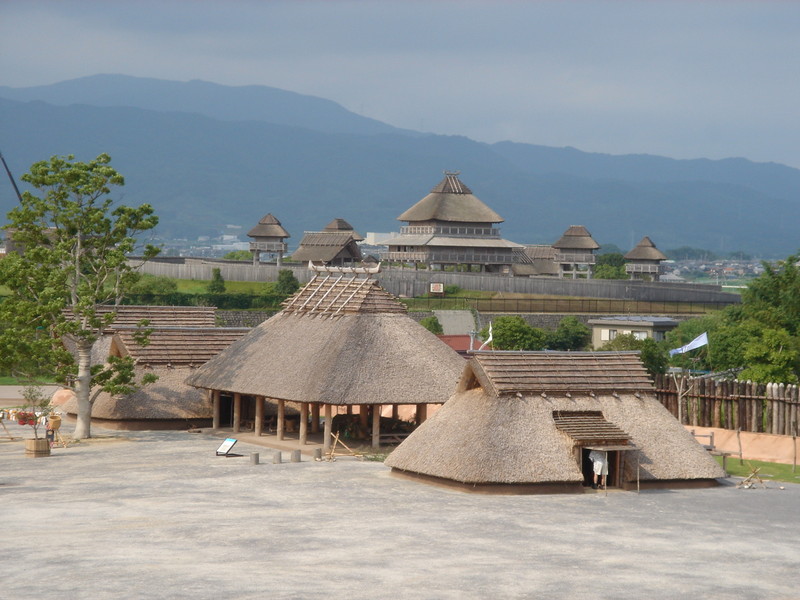
|
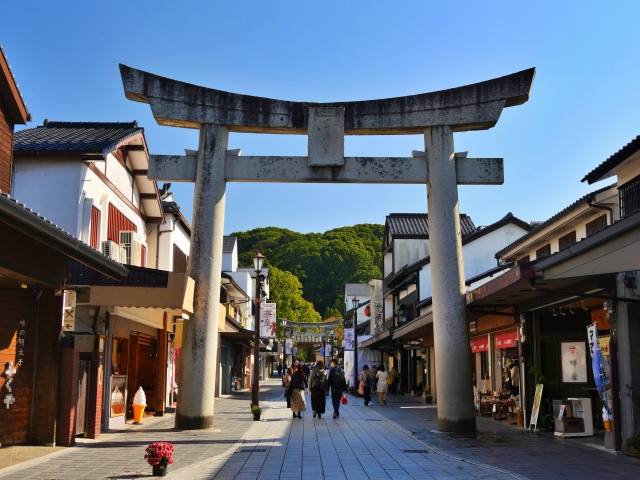
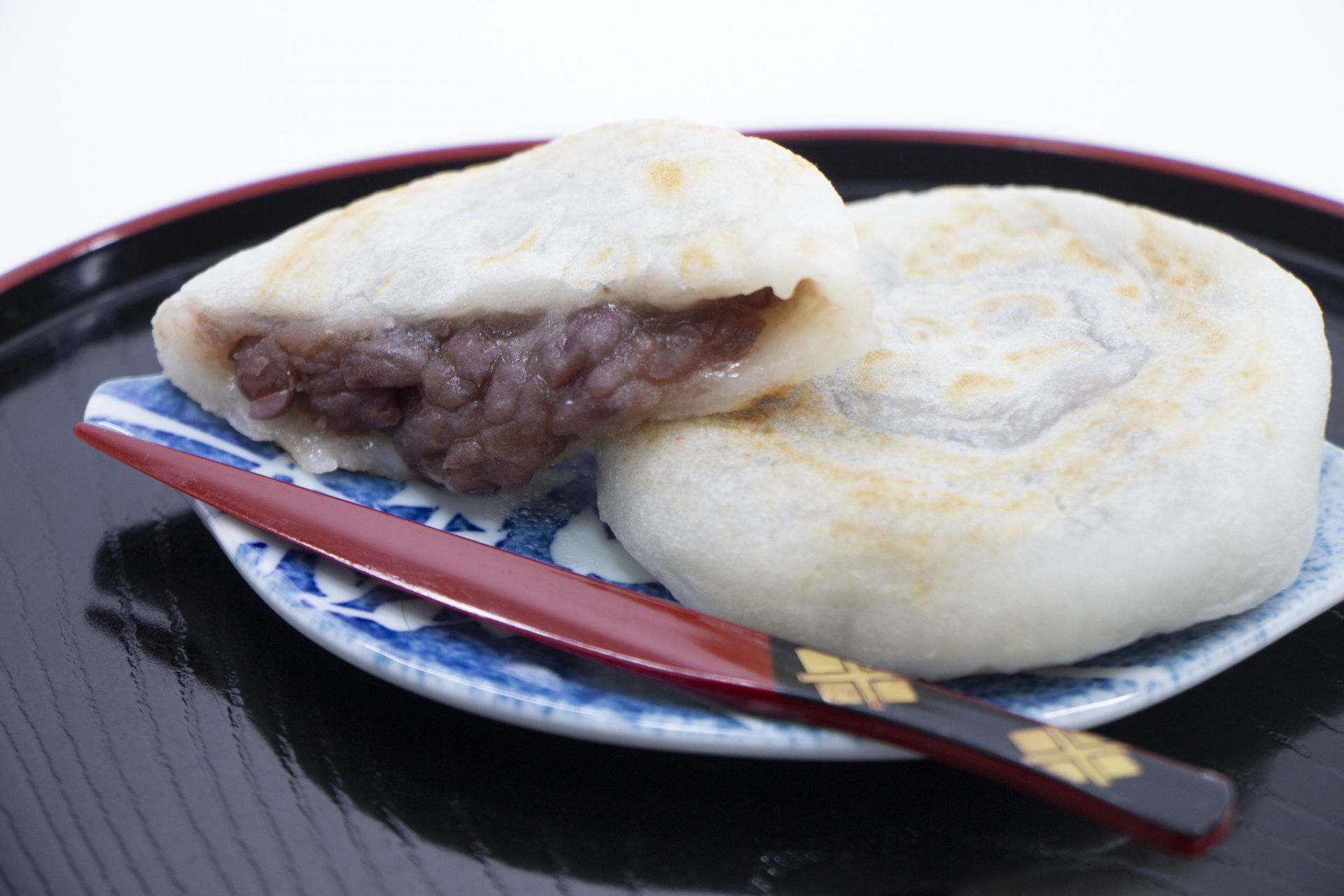
From the hotel we visit Autumn Leaves Festival in Mifuneyama Rakuen. Autumn leaves in fall create the stunning scenery with a cliff of Mt. Mifuneyama in the background, that reminds you of landscape painting. Then go to Yoshinogari Historical Park, it is an outstanding archaeological site in Saga Prefecture. The sprawling park covers a large settlement from the Yayoi Period (300 BC to 300 AD) where dozens of pit dwellings, elevated store houses and over 2000 tombs were unearthed. It is the best place to learn about this era of Japanese history. After lunch we visit Dazaifu Tenmangu, it is one of among hundreds of Tenmangu shrines throughout Japan. Dazaifu Tenmangu is the most important one alongside Kyoto’s Kitano Tenmangu. At the Omotesando you can eat the famous Umegae Mochi (a popular local specialty rice cake with azuki bean filling & a plum blossom imprinted as it's signature). Then go to hotel. If you would like to see Sumo after check-in, we will take you. Sumo ticket is a separate cost, please request at time of signing up for this tour. |
× |
× |
|
| 19 (Sat.) |
|
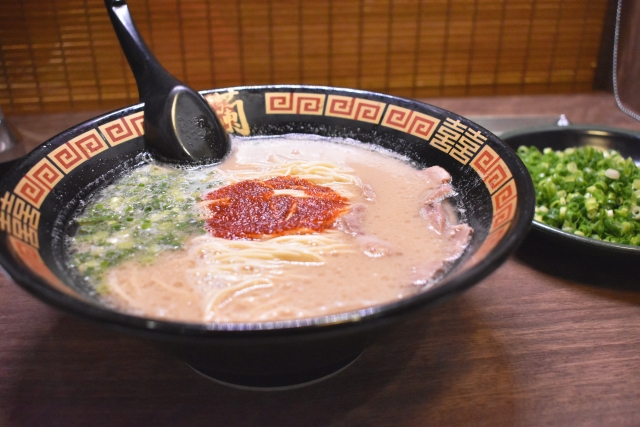
From the hotel we go to Yanagibashi Rengo Ichiba, a busy market full of fresh seafoods and loved by the local people of Hakata as a “Pantry of Hakata". Then visit Kushida Shrine, most important Shinto shrine in the area and is famous for it's yearly Hakata Gion Yamakasa Festival. Next visit the Hakata Machiya Folk Museum, learn about old daily life & Hakata culture during the Meiji and Taisho period. Lunch is Hakata’s famous “Ichiran" tonkotsu ramen. After lunch we go to Canal city shopping mall for last minute shopping. Then go to airport for your departure flight to Honolulu. |
×
|
× |
|
Back
Hand-Made Tours
Tel/Fax:(808)-841-0316
E-mail:handmadetourshawaii@gmail.com