June 10 ~ 21 (10 nights, 12 days)
JAPAN DISTINCTIVE CITIES TOUR
June 10 ~ 21 (10 nights, 12 days)

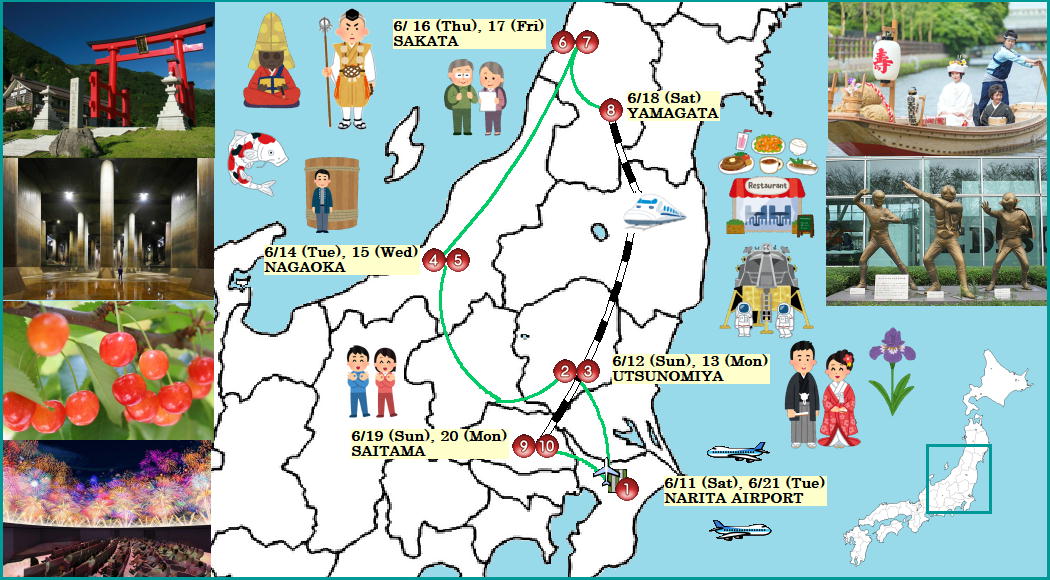
| Let's go sightseeing the cities with special characteristics in Japan. City of science, toy towns, city of Nishikigoi, production city, etc. There are lots of distinguishing feature cities in Japan. Also there are history and story of city that are not written in guidebooks. You might come across your favorite town or city, maybe? Dinner is not included but there are some restaurants near the hotel so you can choose what you want to eat. For restaurants outside the hotel if you have $20/person it will be enough. You can eat at a local restaurant or buy a lunch box, and you have a lot of options. Not eating dinner at the hotel makes the tour cheaper. For those who want to travel wisely and cheaply, and who likes small cities we recommend this tour. |
| Date | Place
and Hotel ♨=onsen |
Activity | B | L | D |
| June 10 (Fri.) |
|
Depart Honolulu to Narita airport. |
|
|
|
| 11 (Sat.) |
NARITA |
Arrive at Narita airport, then go to hotel not far from the hotel. After check in you can ride the hotel shuttle bus and go to Aeon Mall for shopping and eating. |
|
|
|
| 12 (Sun.) |
UTSUNOMIYA URBAN
GRACE HOTEL
|
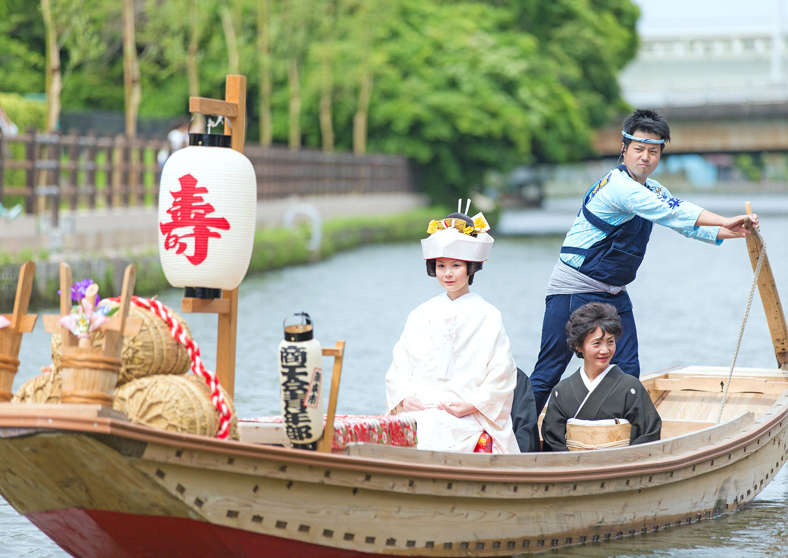
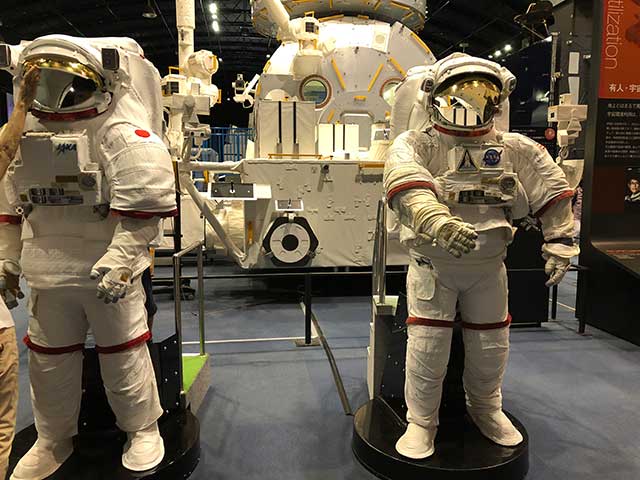
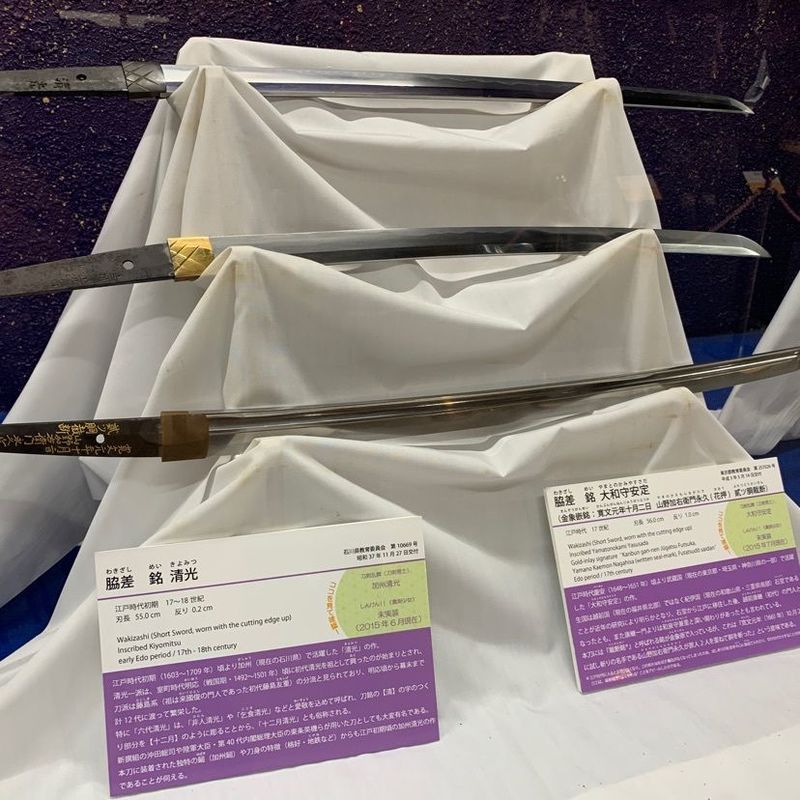
From hotel go to Itako city to see Iris festival. We can see one million iris plants that represent around 500 varieties. And main event of the festival is the yomeiri-bune. This tradition began long ago here in Itako when boats were the primary mode of transportation. New brides would board boats with their in-laws and be rowed down the canal to symbolize them joining the groom's family. Next go to Tsukuba city. The city is Japan’s largest science city with over 20,000 scientists. Visit JAXA Tsukuba Space center the Japan Aerospace Exploration Agency (JAXA) has a cutting-edge technology facility which is at the center of Japan’s space development. The facility is also a great spot for visitors to discover the latest space test equipment, exhibits, and space foods to feel like a real astronaut. Then go to Samurai Sword Museum. There is exhibition about the national treasure sword, about 100 famous swords, and armor. Then go to hotel in Utsunomiya city, which is famous as a dumpling city. |
× |
× |
|
| 13 (Mon.) |
UTSUNOMIYA URBAN
GRACE HOTEL
|
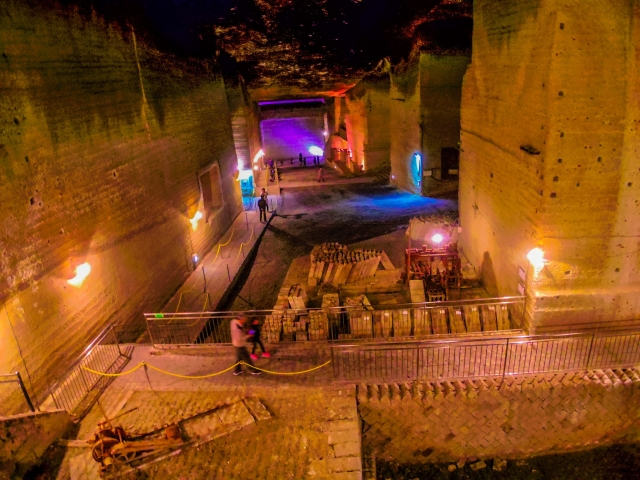
From hotel go to Oya town, which is famous for stone. Visit The Oya history museum. It is a museum built inside a massive former stone quarry in northwestern Utsunomiya. Then go to Bamboo Grove Wakayama Farm. Unlike Bamboo Grove of Arashiyama in Kyoto, you can enter the middle of the bamboo grove. You’ll be transported to another world. Next go to Mibu town which is famous for toys. Visit Bandai Museum. Divided into four areas, this museum’s exhibits include an impressive collection of Gundam figures, as well as a selectionof toys popular in modern Japan through the ages, bound to evoke nostalgia. Then go back to same hotel. |
× |
× |
|
| 14 (Tue.) |
NAGAOKA
NEW OTANI 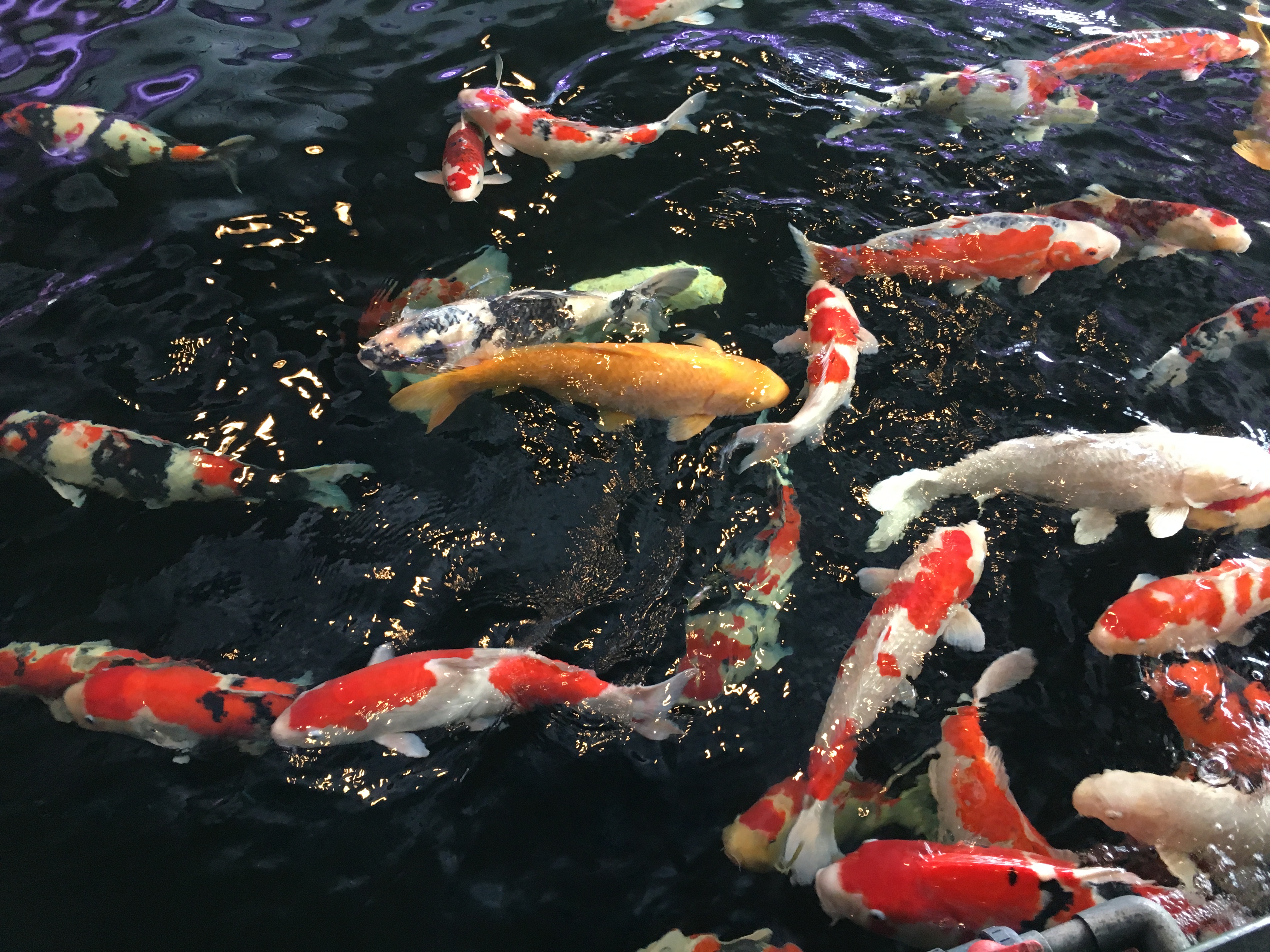 .jpg)
|
From hotel go to Nishikigoi no Sato in Ojiya city. The city of Ojiya is the birthplace of Nishikigoi carps & is the only place in the world where a wide variety of live Nishikigoi can be seen and on display along with information showing the history of their improvements. Next visit Ojiya Industrial Hall, you can experience weaving coaster with the Ojiya textile. Lunch is Ojiya’s specialty Hegisoba, there is seaweed in the soba. Then go to Nagaoka city, which is famous for fireworks. Visit the Nagaoka Fireworks Museum. The biggest attraction of the museum is the Fireworks Theater, a dome-shaped theatre where visitors can experience the Nagaoka Fireworks held each year on August 2 and 3. Enjoy the marvelous spectacle of this wonderful fireworks event. Then go to the hotel. | × |
× |
|
| 15 (Wed.) |
NAGAOKA NEW OTANI 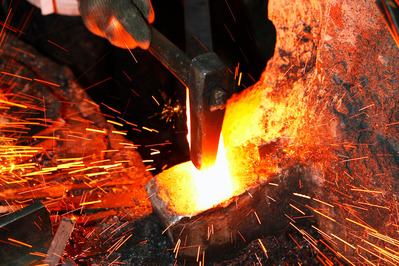 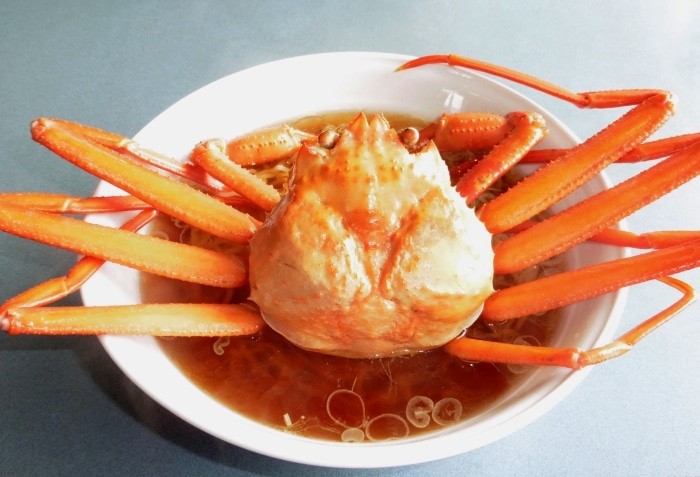 |
From hotel go to Tsubame-Sanjo city, which is famous as a production city. Visit Marunao, a chopstick, forks & spoons production factory & woodworking supply store. Then visit Tojiro, a kitchen knife workshop and tour the workshops. Next visit the Blacksmith Dojo and experience Letter opener making. Hitting, grinding, and polishing. Malleably hammering out a nail to make a letter opener/paper cutting knife. Then go to Teradomari Fish Market Street, a market lined with seafood and souvenir shops. The street is also commonly known as “Sakana no Ameyoko". Lunch is specialty Crab Ramen or your choice at restaurant. Next visit the Toki Center, where you can see the Toki (a crested Ibis bird). Then go back to the same hotel. |
× |
× |
|
| 16 (Thu.) |
SAKATA ROUTE INN 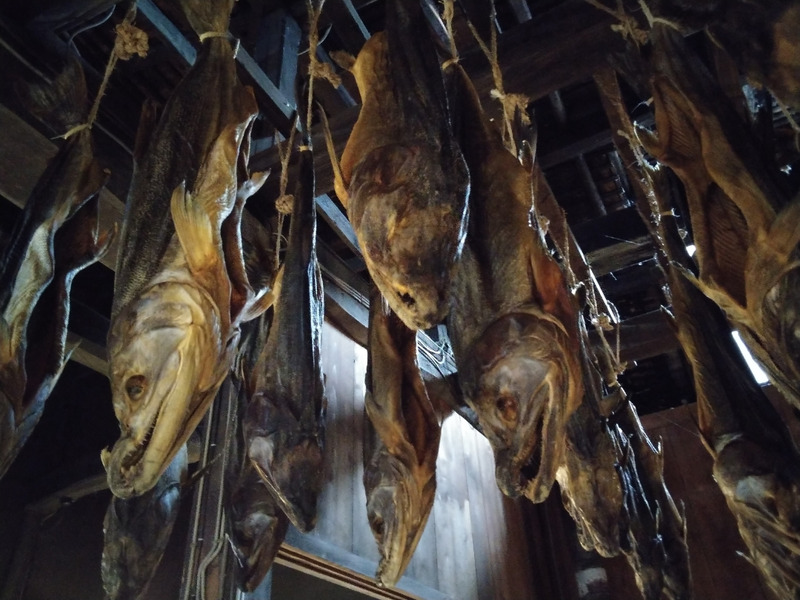 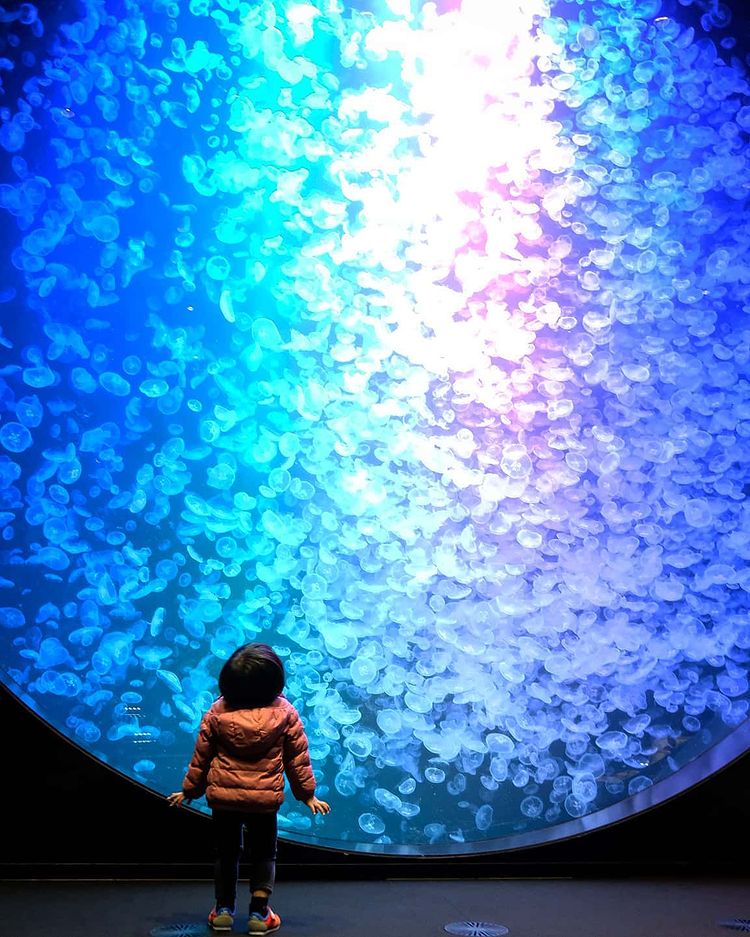
|
From hotel go to Niigata city, which is famous for rice. We visit Niigata Senbei Kingdom, where you can see how to make Senbei (rice crackers) and enjoy shopping many varieties of Senbei. Next go to Imayotsukasa Sake Brewery, enjoy Sake brewery tour and tasting. Then go to Murakami city, which is famous for salmon. Visit the Iyoboya Kaikan, it is a salmon museum. Iyoboya means salmon in Murakami language. Next visit Sennensake Kikkawa, a salmon specialty store that has been around for 400 years. You can see lots of salmon hanging from the ceiling, you can buy a variety of salmon items. Lunch is a Salmon cuisine. Then visit Kamo Aquarium, it has a huge collection of jellyfish. Next go to the hotel in Sakata city, which is famous for “Oshin” Drama and “Departures” movie. | × |
× |
|
| 17 (Fri.) |
SAKATA ROUTE INN 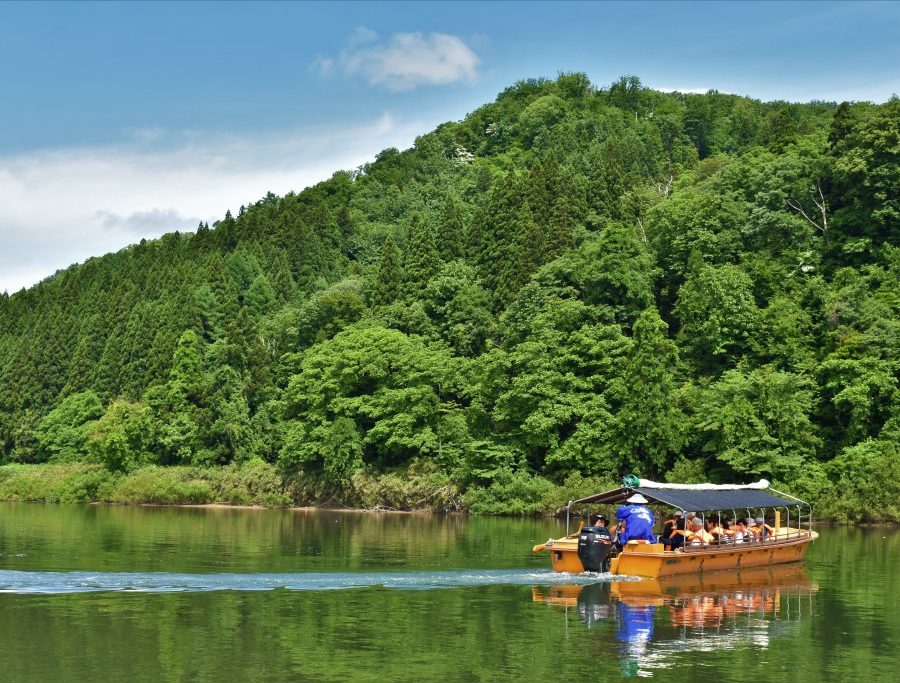 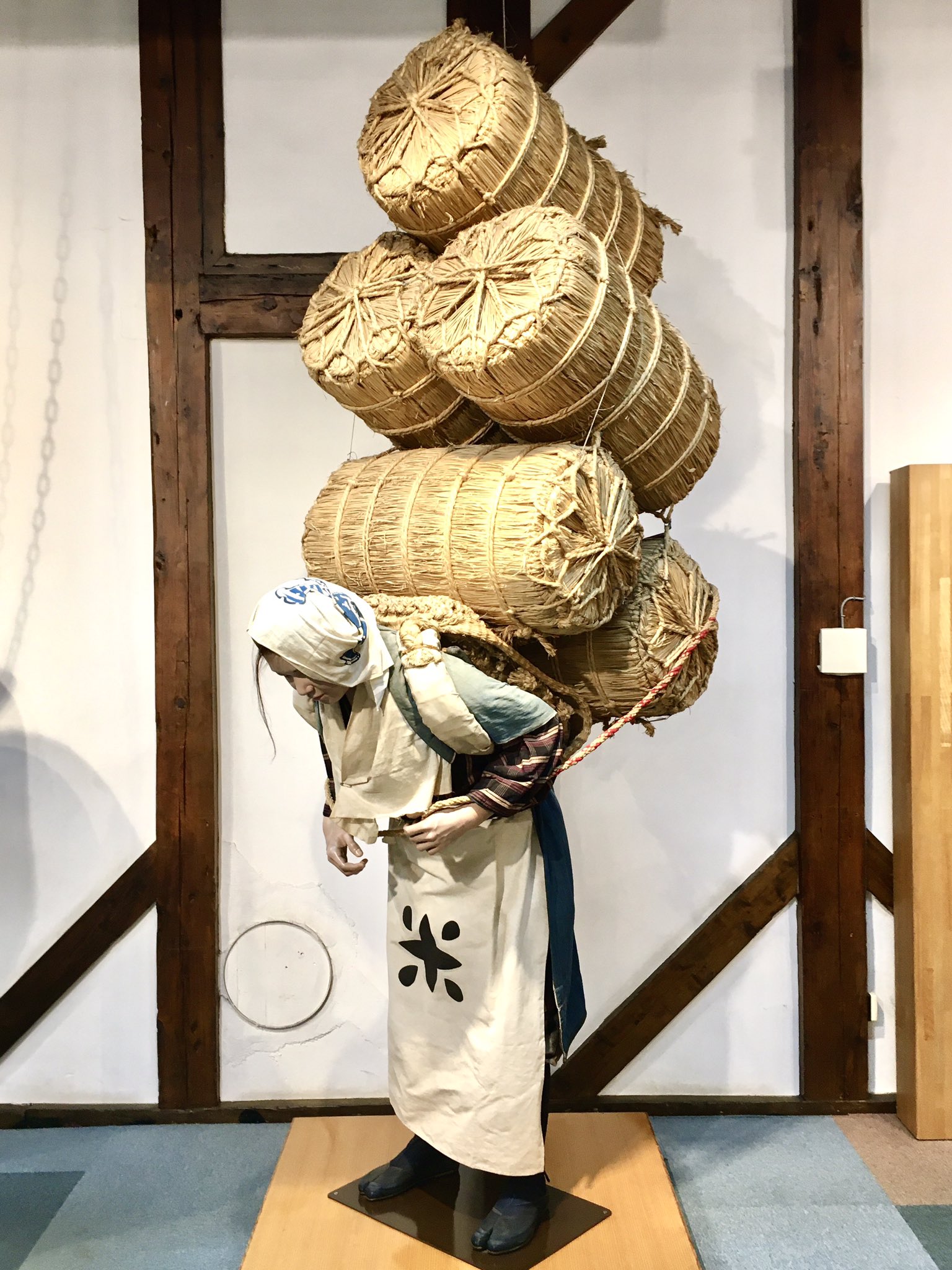 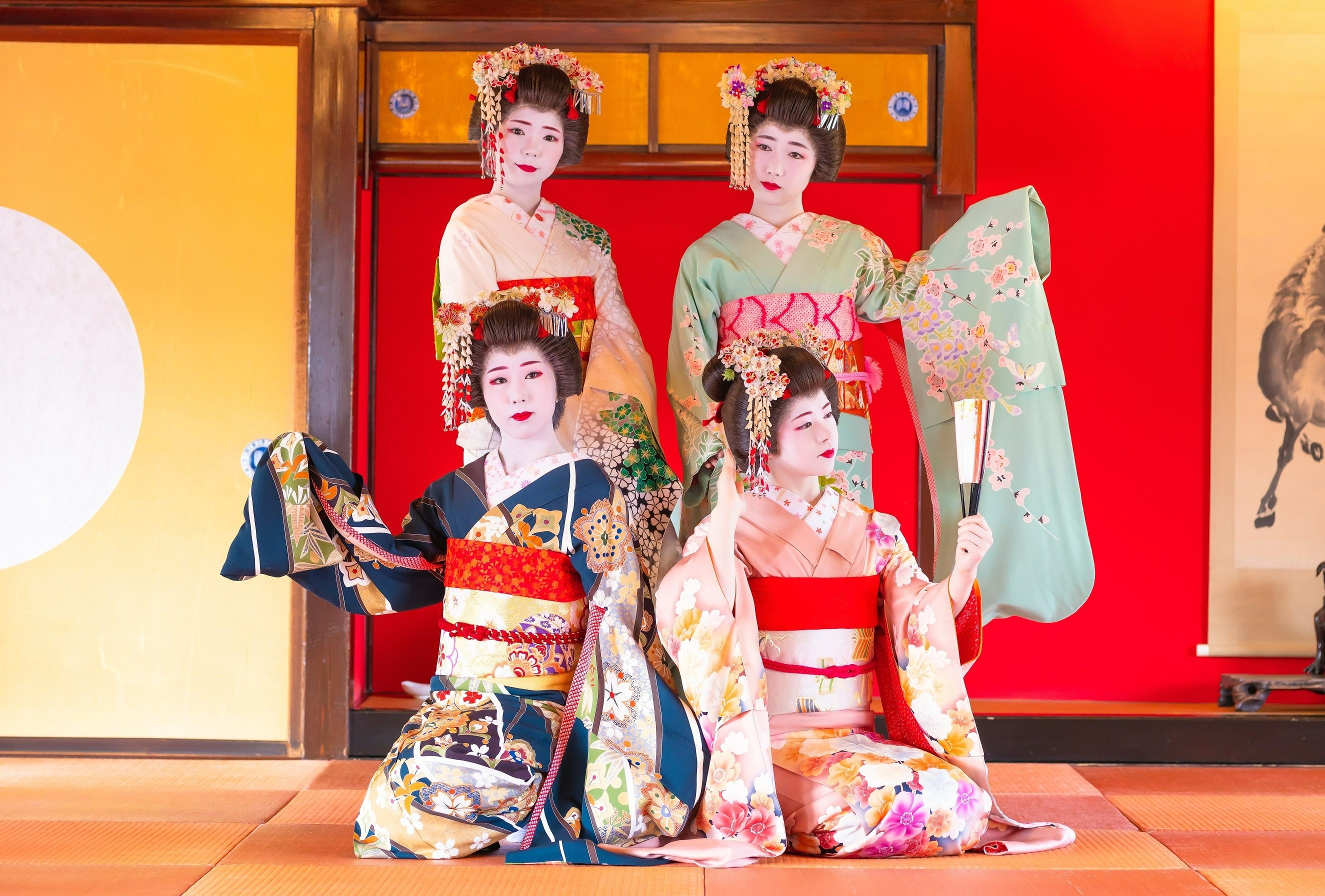
|
Sightseeing within Sakata city. From hotel go to the Mogami river cruise. The Mogami River is one of Japan’s three fastest-flowing rivers however the popular boat tours leisurely cruises while going through some rapids. Then go to the Honma Residence. The Honma Residence is a grand old house dating back to the Edo Period that has been well preserved and has many interesting features that visitors can explore. The building was formerly owned by the Honma clan, a wealthy merchant family in the area. Next visit Sankyo Soko Storehouse which was used to store rice from the late 19th century and Shonai Rice History Museum with displays about rice cultivation history in the area. Then go to Kaikoji temple which is the only temple in Japan which enshrines two of Sokushinbutsu (self-mummified monks). Two Buddhist monks became Sokushinbutsu for salvation of the people, by locking themselves in an underground cell after fasting a certain period of time, and spending their remaining days reciting Buddhist scriptures. Next visit Somaro, a ryotei (luxurious traditional restaurant) from the Edo period and watch a maiko dance performance. After the performance you can take photo together with the maiko. Then return to same hotel. | × |
× |
|
| 18 (Sat.) |
YAMAGATA GRAND HOTEL 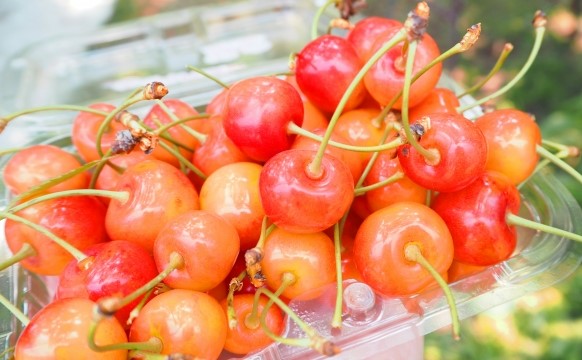
|
From hotel go to Mt. Yudono shrine. This mountain is one of the top sacred places in Japan. Mt. Yudono Shrine, considered the most holy of the shrines at the Three Mountains of Dewa, is famous for its strict no photos, no shoes policy. The Shugendo ground is also considered so sacred that one is neither to talk nor hear of what happens inside the shrine. Next go to Yamagata city, which is famous for high class cherries and safflower. We can enjoy cherry picking and experience safflower dyeing. Then go to hotel. |
× |
× |
|
| 19 (Sun.) |
SAITAMA
CANDEO HOTEL 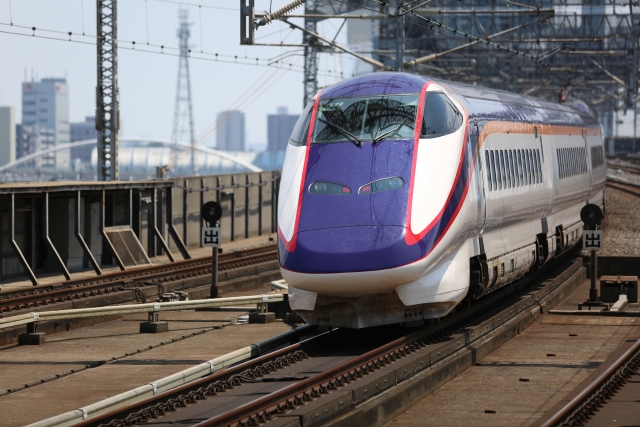 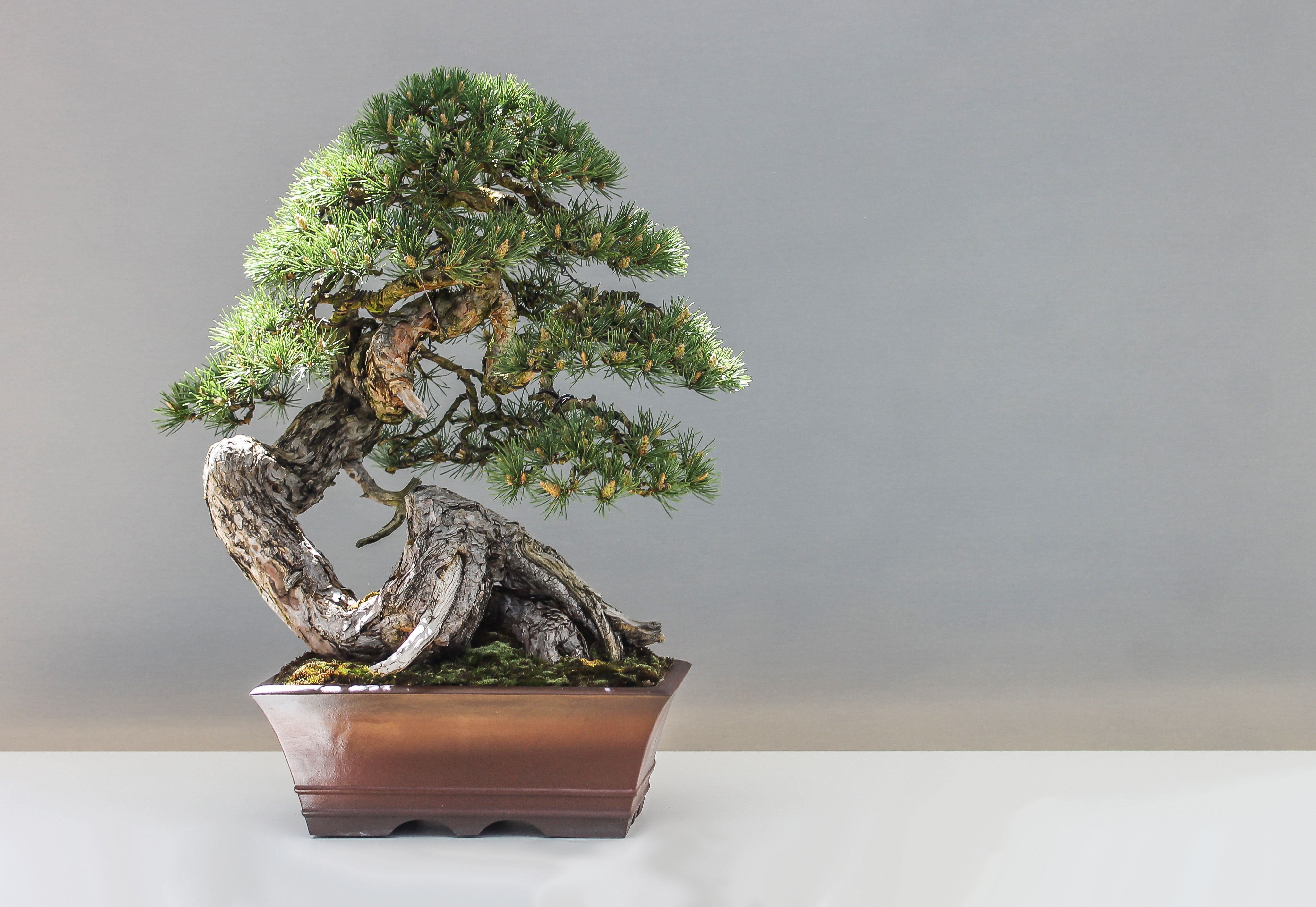 |
From hotel go to Yamagata station. Ride the shinkansen and go to Omiya station. Then visit the Bonsai Museum. Many precious bonsai are displayed at this Bonsai Art Museum. Some bonsai are nearly 1000 years old and the bonsai that was owned by the past prime minister is displayed here. Next go to Iwatsuki town, which is famous for Japanese doll. Visit Iwatsuki Ningyo Museum. The museum exhibits excellent ningyo (Japanese doll) collections, including the elegant Gosho Ningyo from the 18th century, as well as gorgeous hina ningyo (dolls for the annual Hina Matsuri doll festival). Then go to hotel. |
× |
× |
|
| 20 (Mon.) |
SAITAMA CANDEO HOTEL 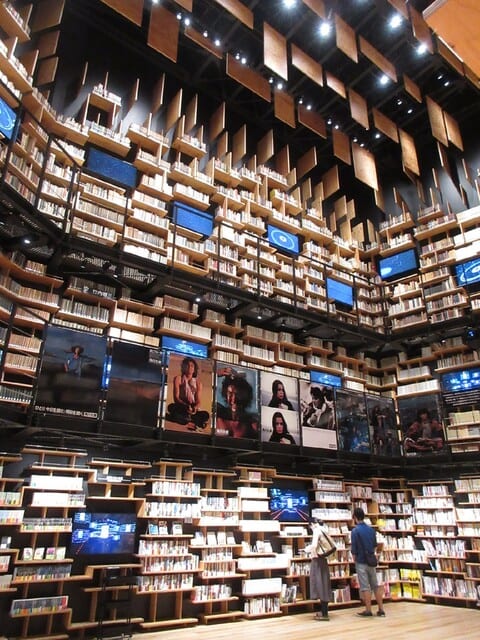 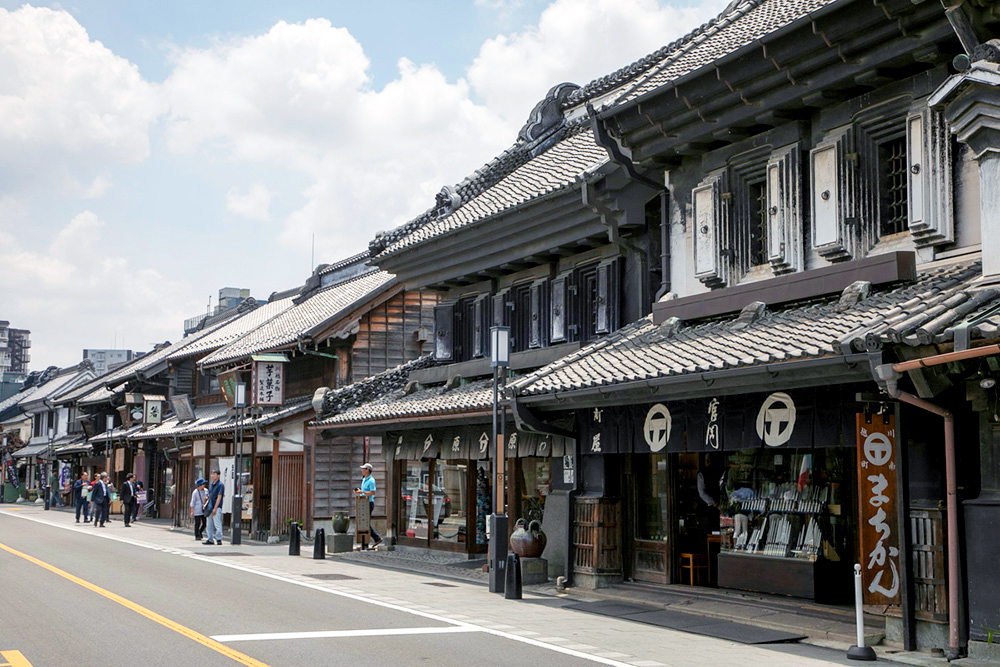
|
From hotel go to Tokorozawa Sakura Town. The town is home to Japan’s largest pop culture transmission base. This huge facility is a part of the Cool Japan Forest Project, a joint initiative between Kadokawa Publishing Corporation and Tokorozawa City. We visit the Kadokawa Museum. One of the highlights will surely be the Bookshelf Theater Library a double-height space occupying sections of the 4th and 5th floor. With 8-meter (26 ft) floor-to-ceiling bookshelves, the soaring space will accommodate 50,000 books. And we visit Musashi no Reiwa Shrine. The shrine is most new shrine in Japan. The exterior was designed by Kengo Kuma (designer of Japan Olympic stadium). Inside, the ceiling art by Yoshitaka Amano (designer Final Fantasy). The guardian dogs were sculpted by Yoshimasa Tsuchiya. Next go to Kawagoe city. Its main street is lined with Kurazukuri (clay-walled warehouse-styled) buildings, retains an ambience reminiscent of an old town from the Edo Period (1603-1867). Thereby, Kawagoe became known as "Little Edo". Please enjoy holoholo and shopping. Then go back to same hotel. |
× |
× |
|
| 21 (Tue.) |
|
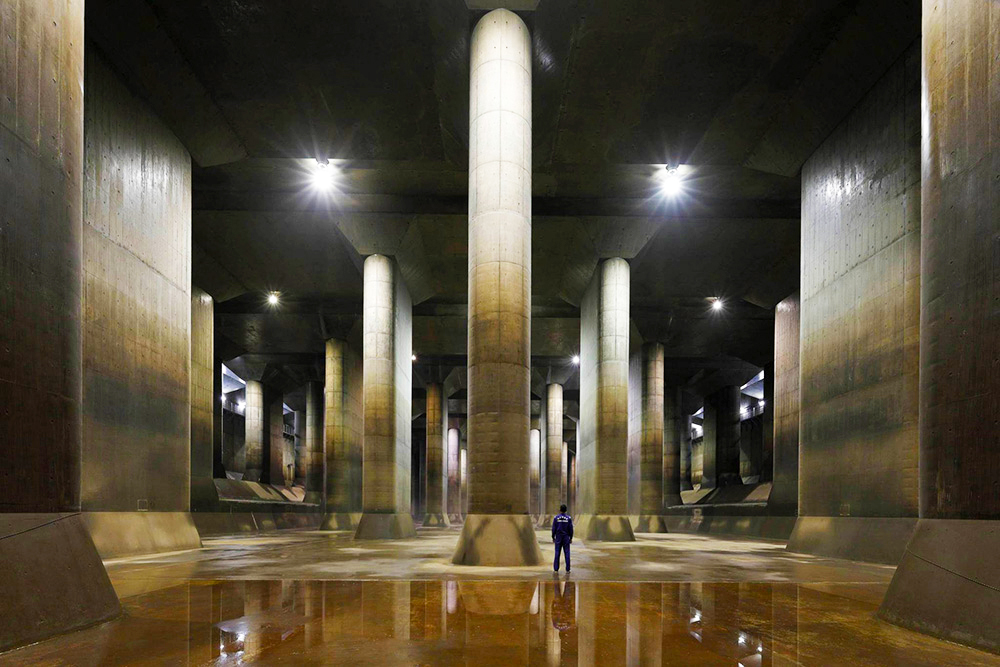
From hotel go to see The Metropolitan Outer Area Underground Discharge Channel which is called the underground temple. The average annual precipitation in Japan is about twice that of the world’s average, making it extremely important to prevent flooding especially in the Tokyo Metropolitan Area where the population is concentrated. The Metropolitan Outer Area Underground Discharge Channel is one of the world’s largest and visually striking flood-prevention facilities. Then in the afternoon go to Narita airport for your departure flight to Honolulu. | × |
|
|
HOTELS ARE SUBJECT TO CHANGE TO SAME OR BETTER CLASS
DUE TO THE CORONAVIRUS SITUATION THE TOUR COURSE MAY CHANGE
Back
Hand-Made Tours
Tel/Fax:(808)-841-0316
E-mail:handmadetourshawaii@gmail.com