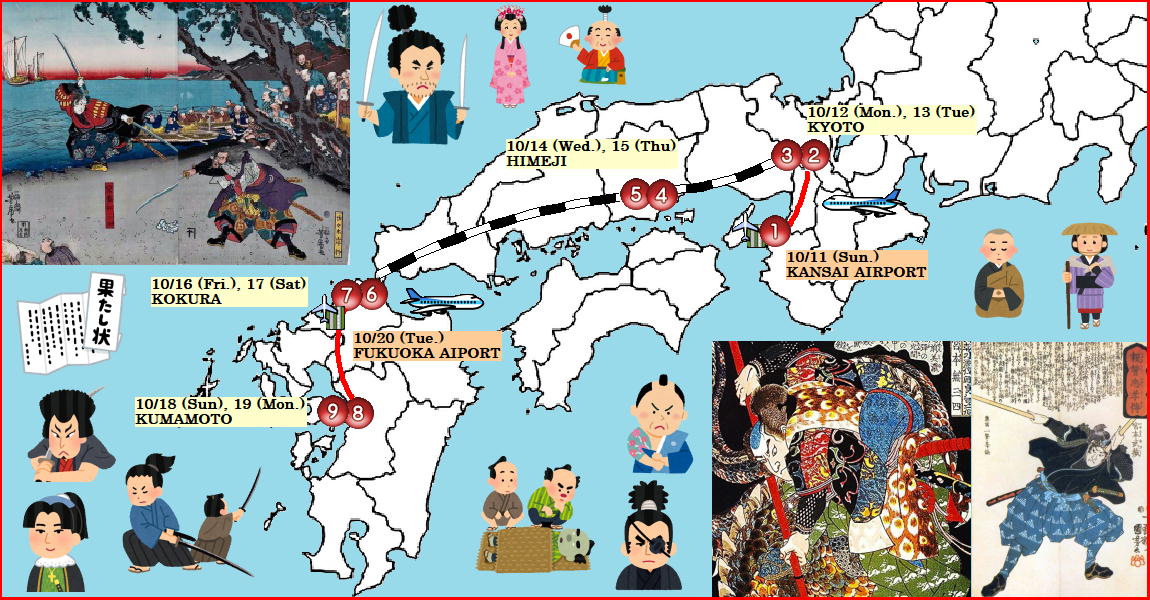

MIYAMOTO MUSASHI TOUR
Oct. 10 ~ 20, 2026 (9 nights, 11 days)
| Come join us, all Miyamoto Musashi fans! This tour follows in the footsteps of Miyamoto Musashi. Miyamoto Musashi was a master swordsman famous for the duel on Ganryu Island, but he was also an artist who excelled in many fields, including ink painting, calligraphy, sculpture, and the tea ceremony. On this tour, you will not only learn about Musashi as a master swordsman, but also his surprising side. Please refrain from joining if you know nothing about Miyamoto Musashi, as it will not be any fun at all.Dinner is not included in the tour, but there are many restaurants around the hotel, so please feel free to eat whatever you like at any time. |
| Date | Place
and Hotel
♨=onsen |
Activity | B | L | D |
| Oct. 10 (Sat) |
|
Depart Honolulu to Kansai airport. |
|
|
|
| 11 (Sun.) |
KANSAI AIRPORT HOTEL NIKKO |
After arriving at Kansai airport, go to hotel that's connected to the airport terminal. There are convenience store and some eating place nearby. |
|
|
|
| 12 (Mon.) |
KYOTO MIYAKO HOTEL 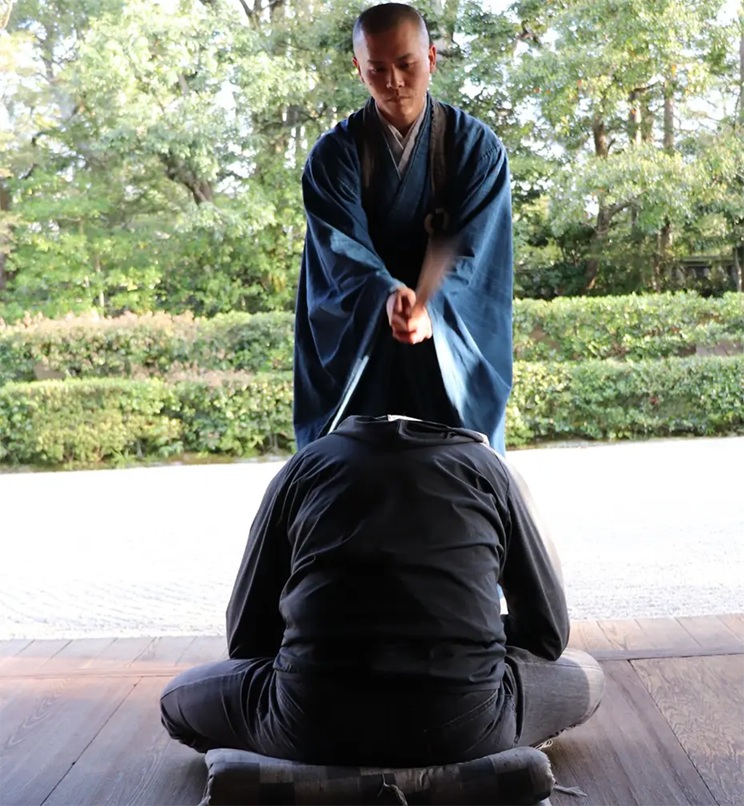 |
We head from the hotel to Kyoto. As a young man, Musashi visited Kyoto as part of his warrior training to experience the excellent sword-fighting dojos and culture. We visit the Daisen-in Temple, is famous as the place where Miyamoto Musashi learned the secrets of swordsmanship. In particular, it is said that the seventh head priest, Takuan Soho, taught Musashi the "Way of the Sword (the teachings of Zen)." We also experience Zen. Lunchi is Aburi mochi. It is not certain whether Musashi ate it, but please try the Aburi mochi at Ichiwa, which was founded over 1,000 years ago. After lunch, we will visit the Sanjusangendo Temple, is the location of the second of three battles with the Yoshioka clan, in which he fought against Yoshioka Denshichiro. Then we go to the hotel. |
× |
× |
|
| 13 (Tue) |
KYOTO MIYAKO HOTEL 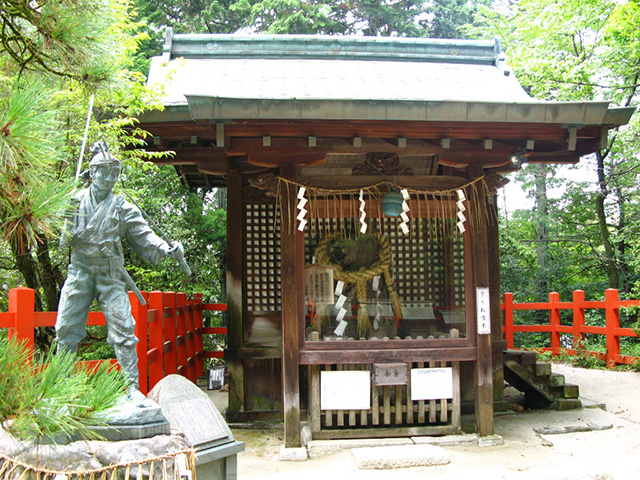 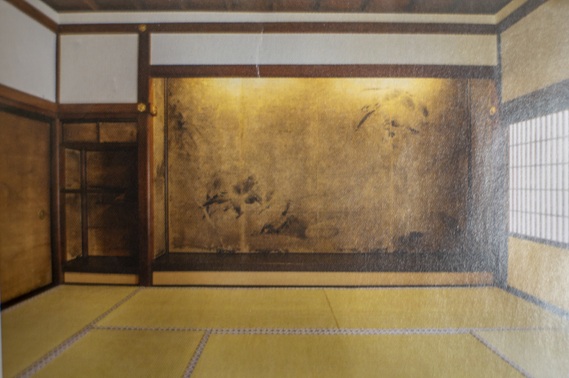 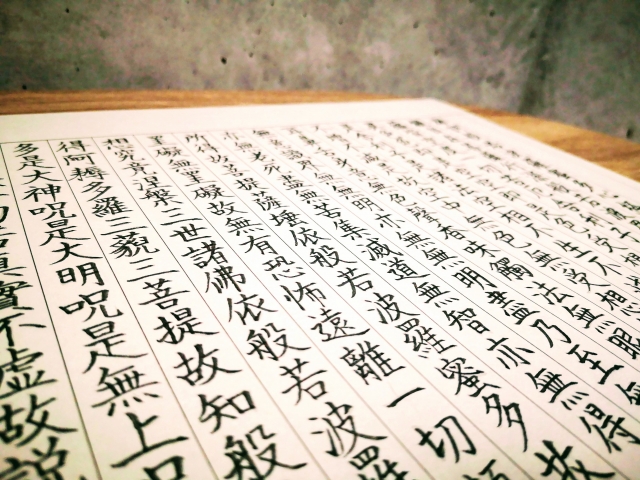 |
From the hotel we go to the Tanukidanisan Fudoin, is famous as the place where Musashi trained before his third duel with the Yoshioka clan. We can also see the waterfall where Musashi was waterfall training. Then we go to the Hachidai shrine. The most famous episode is before the third duel, Musashi visited this shrine and prayed for victory. However, he realized his weakness in relying on the gods and Buddha, and went into battle without praying. "I respect God, but I don't depend on him," he famously said. Next visit the Ichijoji Sagarimatsu Pine, is known as the site where Musashi Miyamoto and Yoshioka fought third duel, and a stone monument inscribed with the words“Miyamoto/Yoshioka clan duel site”still stands today. We also recommend buying some Musashi manju as a souvenir from a nearby Japanese confectionery shop. After lunch we visit the Kanchi-in temple. It is said that Musashi hid here after his duel with the Yoshioka clan. We see two paintings by Musashi and experience shakyo (copying sutras). Then we back to the same hotel. |
× |
× |
|
| 14 (Wed.) |
HIMEJI
HOTEL MONTEREY 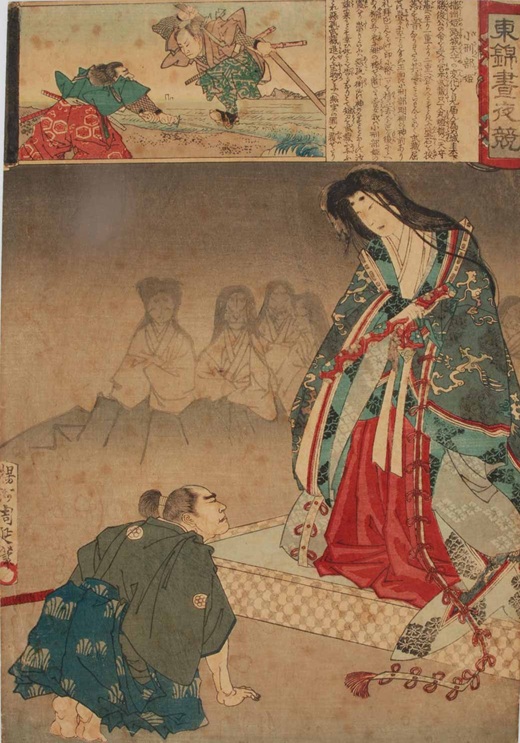 |
From Kyoto station we ride a limited express Super Hakuto and go to Akashi station. It is said that at the age of 34 (1618), Musashi was invited by the first lord of the castle, Ogasawara Tadamasa, and stayed in Akashi for about three years. He was also involved in the layout of Akashi town and the construction of the wood-burning mansion within the castle grounds. We visit the Musashi Garden, is a restoration of the Japanese garden that Musashi created. Then we visit Himeji castle, where legend has it that Musashi defeated a monster. After lunch we go to Otsu Park, where there is a bronze statue of Otsu, Musashi's lover. Then we go to the hotel. | × |
× |
|
| 15 (Thu.) |
HIMEJI
HOTEL MONTEREY 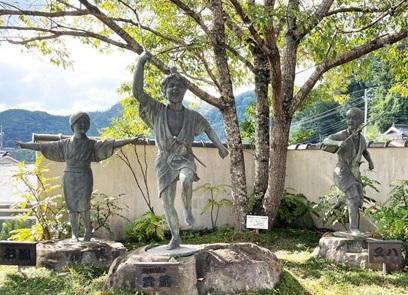 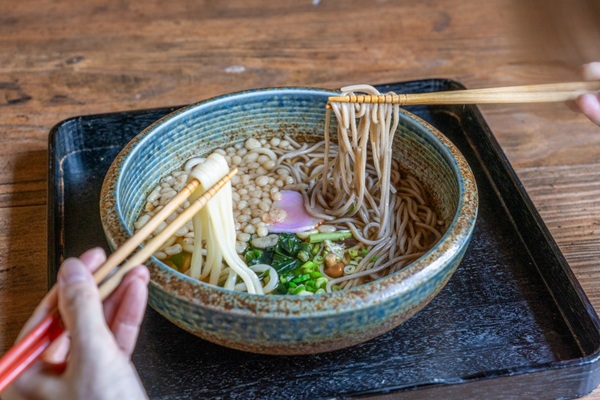 |
From the hotel we go to Miyamoto Village, said to be the birthplace of Miyamoto Musashi. We visit the Musashi Museum, Musashi Shrine, Musashi Shrine, and the Miyamoto family grave. Then we go to the Miyamoto Musashi Station. In front of the station there is a bronze statue of Musashi as a boy. Lunch is Miyamoto Musashi Two-Sword Noodles at Takezo Chaya, located right in front of the site of Miyamoto Musashi's birthplace. *The store may be closed due to irregular holidays. After lunch, we take the Shosha Ropeway to the top of the mountain and head to Engyo-ji Temple, where Musashi is said to have trained. It was the filming location of the movie “The Last Samurai.” |
× |
× |
|
| 16 (Fri.) |
KOKURA
RIHGA ROYAL HOTEL 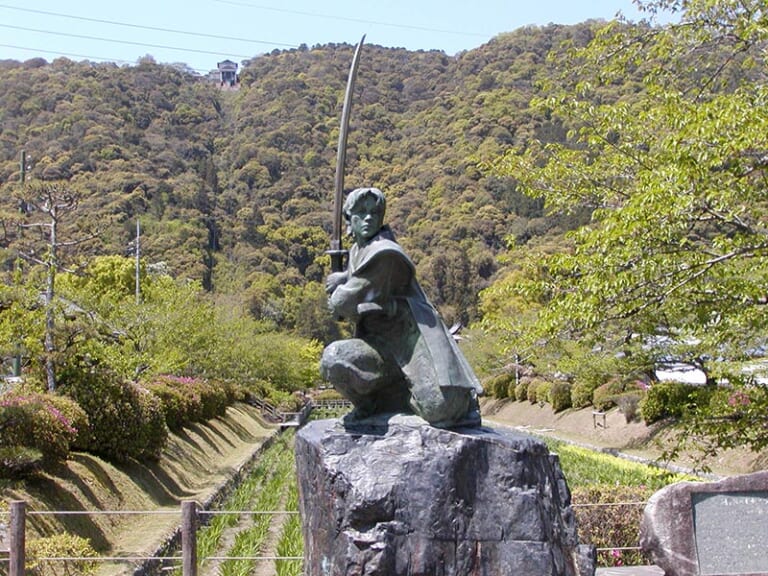 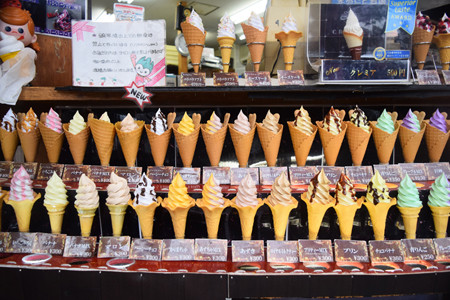 |
We ride the Shinkansen from Himeji Station to Shin-Iwakuni Station, where we visit the Kintai Bridge. In the duel on Ganryu Island, Musashi's opponent, Sasaki Kojiro, was from Iwakuni, and it is said that he developed his special move, the Tsubame Gaeshi, after seeing swallows flying near the Kintai Bridge. The Kintai Bridge is considered a place associated with Kojiro, and a bronze statue of Sasaki Kojiro still stands there. Also here, the ice cream shops Sasaki Kojiro and Musashi compete with each other for business. After lunch, we ride the Shinkansen from Shin-Iwakuni Station to a hotel near Kokura Station. Kokura is known as the place where Musashi stayed for the longest period of seven years. |
× |
× |
|
| 17 (Sat.) |
KOKURA RIHGA ROYAL HOTEL 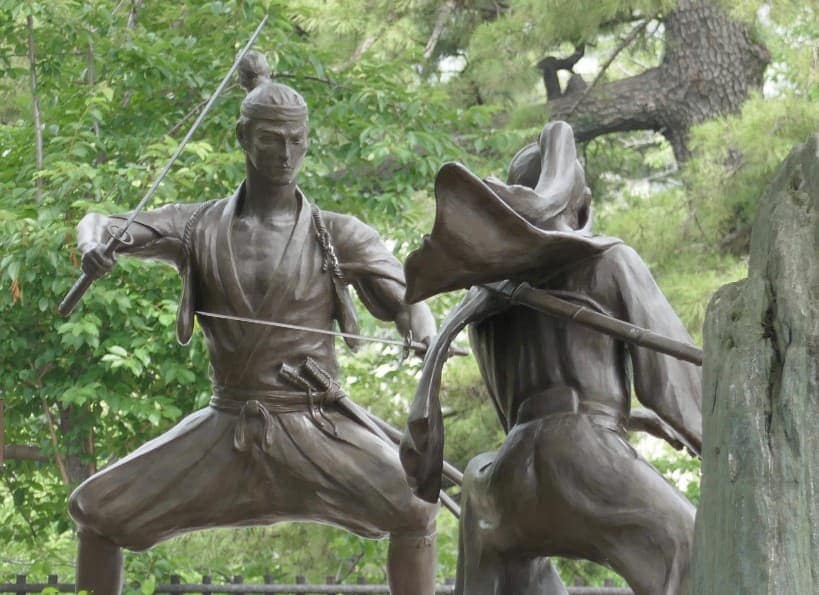 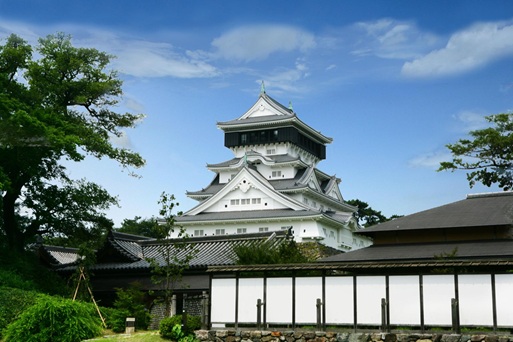 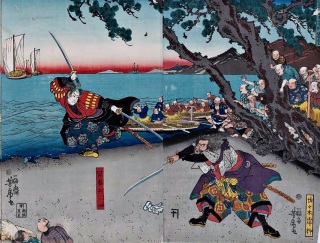 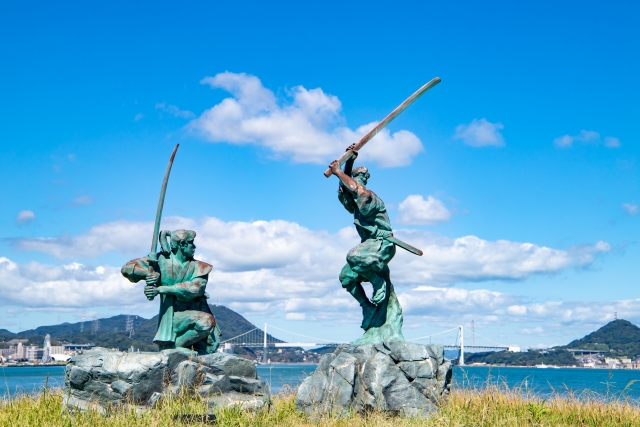 |
From the hotel we go to the Kokura castle. The third floor is dedicated to two of Japan’s most famous swordsmen, Miyamoto Musashi and Sasaki Kojirō. Experience the epic battle of Ganryujima Island through immersive exhibits that bring their legendary duel to life. Then we go to the Tamukeyama park. In the park is a monument in honor of Miyamoto Musashi, erected by his adopted child, Miyamoto Iori, in 1654. The monument is inscribed with the history of his achievements as a swordman, as well as his efforts to create his style of two-sword fencing, and even a detailed description of the duel on Ganryujima Island with Sasaki Kojiro, his long-time rival. The Miyamoto family grave is also in the park. From the observation plaza, you can see Ganryujima, the site of the duel between Musashi and Kojiro. After lunch we ride a ferry & go to Ganryu-Jima Island. Ganryu Island, formally known as "Funajima," is a small, uninhabited island approximately 1.6 km all around. Floating in the Kanmon Strait of the Seto Inland Sea, the isle is the historic site of the 1612 epic duel between legendary master swordsman Miyamoto Musashi and Sasaki Kojiro, known for his Tsubame-gaeshi technique. The island was named Ganryu Island in honor of the defeated Sasaki Kojiro, whose iconic style was called "Ganryu”. Make your way to this island to find fames sites like the Musashi and Kojiro Statues, set to recreate the historic duel at their spot on a scenic plaza with stunning views of the Kanmon Strait. Then we go back to the same hotel. | × |
× |
|
| 18 (Sun.) |
KUMAMOTO MIELPARQUE 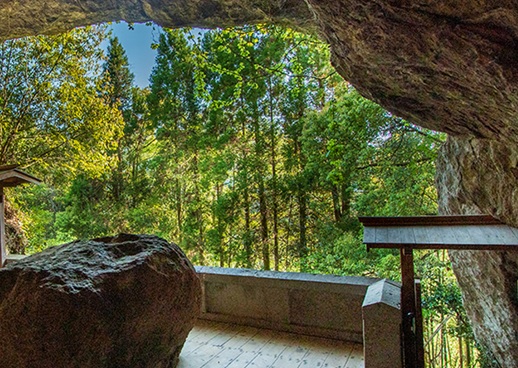 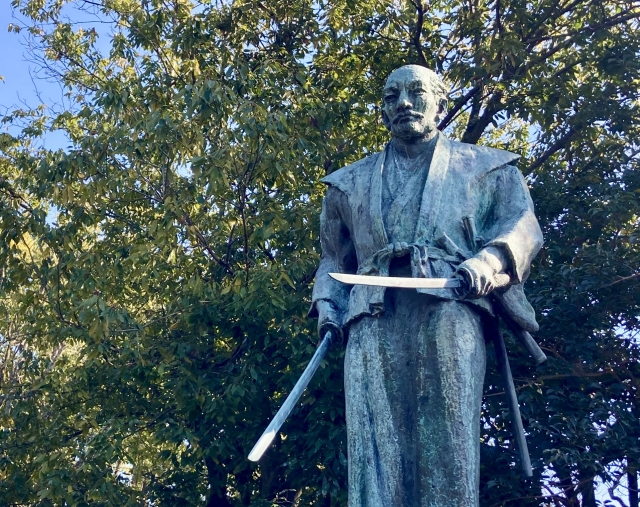 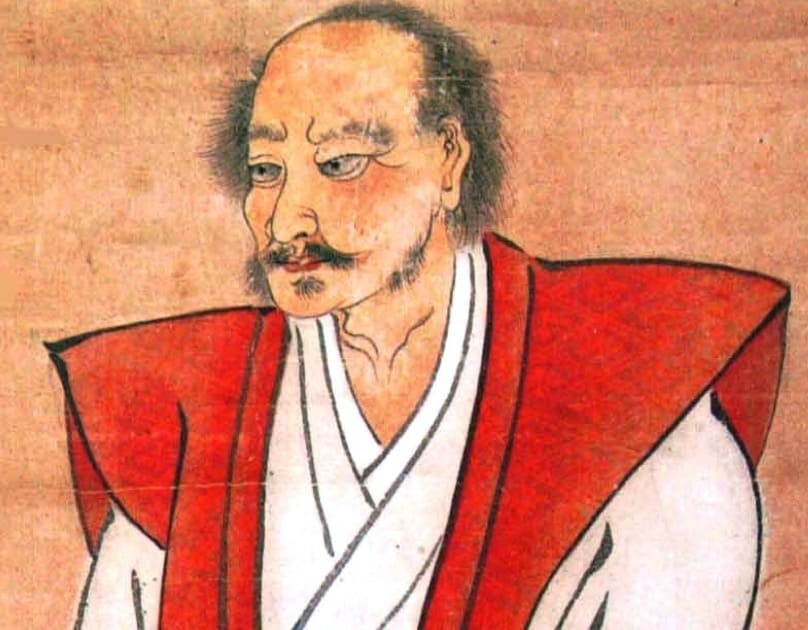 |
We ride the Shinkansen from Kokura Station to Kumamoto Station. Kumamoto is where Musashi spent his final years. We go to the Zazen stone where Musashi is said to have sat in meditation. Then we visit the Reigando cave, is well known as the place where Miyamoto Musashi, spent the final years of his life. Musashi was already in his late 50s and knew he was nearing the end of his life when he moved to Kumamoto, where he wrote "The Book of Five Rings," a practical guide to swordsmanship and life. After lunch we visit the Shimada Art Museum. Here we can see things related to Miyamoto Musashi, but the exhibits change every month so it's not clear what we see. Next go to the Musashizuka Park. Of the three possible burial sites of swordsman Miyamoto Musashi (1584–1645) in Kumamoto, Musashizuka Park in the eastern part of the city of Kumamoto is considered to be the most plausible. According to legend, he was buried standing upright in full armor on one of the roads leading into Kumamoto so that he could watch over his lord even in death. The park has a bronze statue of Musashi at the entrance armed with his two trademark swords. Then we go to the hotel |
× |
× |
|
| 19 (Mon.) |
KUMAMOTO MIELPARQUE 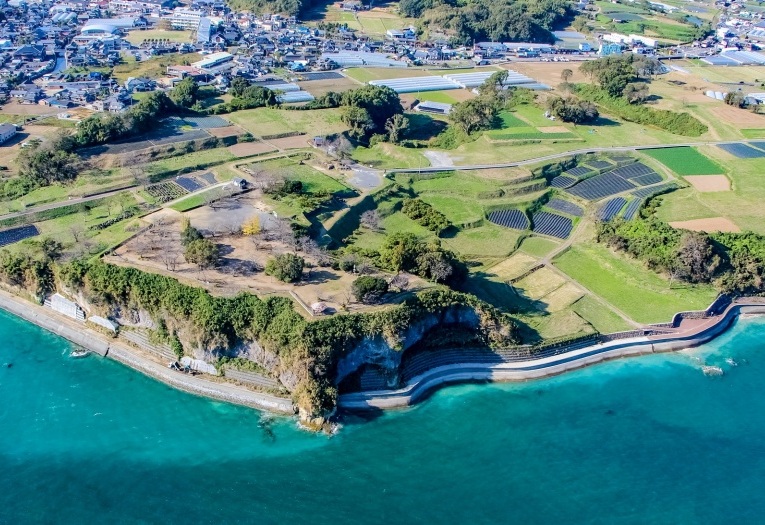 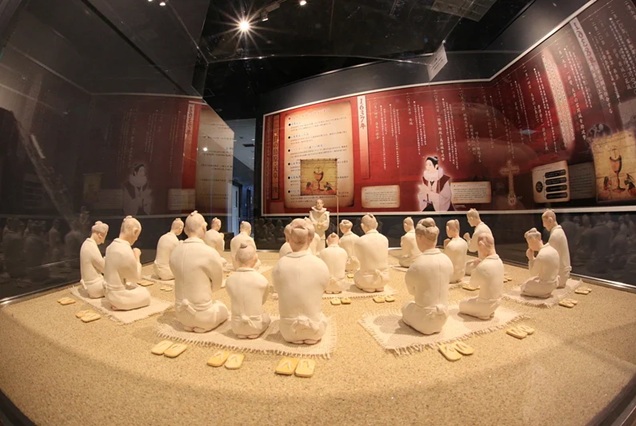 |
From the hotel we go to Kumamoto port to ride ferry to Shimabara port. We can see the seaweed farm from the ferry and enjoy an hour's voyage. Then we go to the Hara Castle Ruins. Musashi is famous for his duels, but he also participated in several battles. Hara Castle is the site of the Shimabara Rebellion, the last battle in which Musashi participated. In 1637, when Musashi was 53, it became the final battle ground of the Shimabara Rebellion, a large uprising of peasants - many of whom were Christians - who were upset about excessive taxation and religious persecution by the local lord. Large shogunate forces were sent in to put down the uprising, but the defenders held out for more than a year. After lunch we visit the Arima Christian Heritage Museum, exhibits 250 years of Christian history showing its propagation, prosperity and suppression, ending in the Shimabara-Amakusa revolt. Then we go back to the same hotel. | × |
× |
|
| 20 (Tue.) |
|
From the hotel we go to Fukuoka airport for your departure flight to Honolulu. |
× |
|
|
HOTELS ARE SUBJECT TO CHANGE TO SAME OR BETTER CLASS
DUE TO THE WEATHER SITUATION THE TOUR COURSE MAY CHANGE
Back
Hand-Made Tours
Direct calls to Evelyn: (808) 520-0018
E-mail:handmadetourshawaii@gmail.com